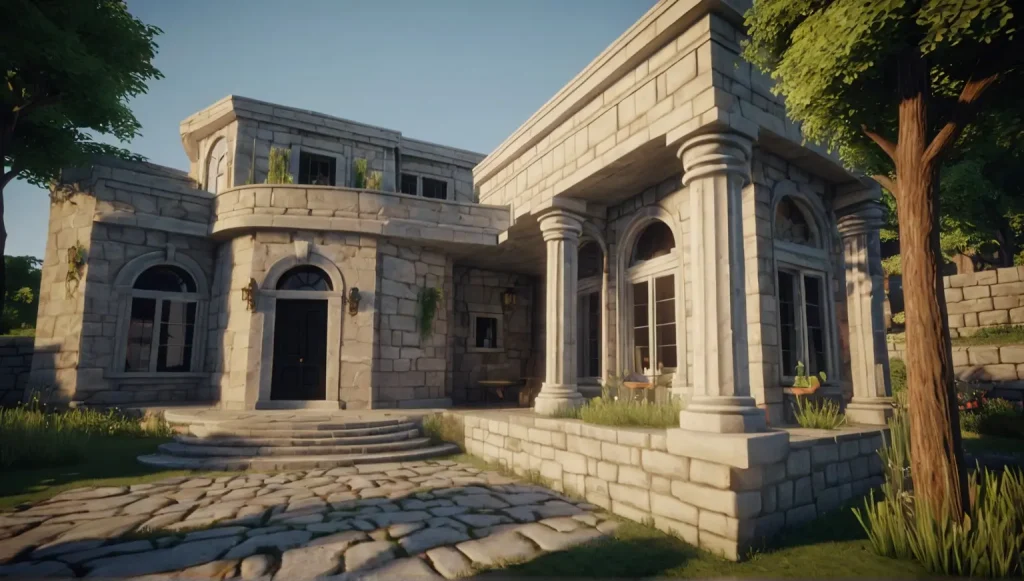
Medieval castles are symbolic of the Middle Ages, representing power, defense, and craftsmanship. These fortresses were not just residences of kings, nobles, or lords but strategic defense locations aimed at safeguarding, dominating, and ruling over lands. Medieval castles continue to capture the imagination of historians, architects, and travelers today.
The History of Medieval Castles
The concept of castles originated in Europe during the early Middle Ages, around the 9th and 10th centuries. They were primarily built to defend against invasions and raids during times of political instability. The first fortifications were made of wood, and later evolved into massive stone structures capable of withstanding sieges and attacks.
Medieval Castle Architectural Characteristics
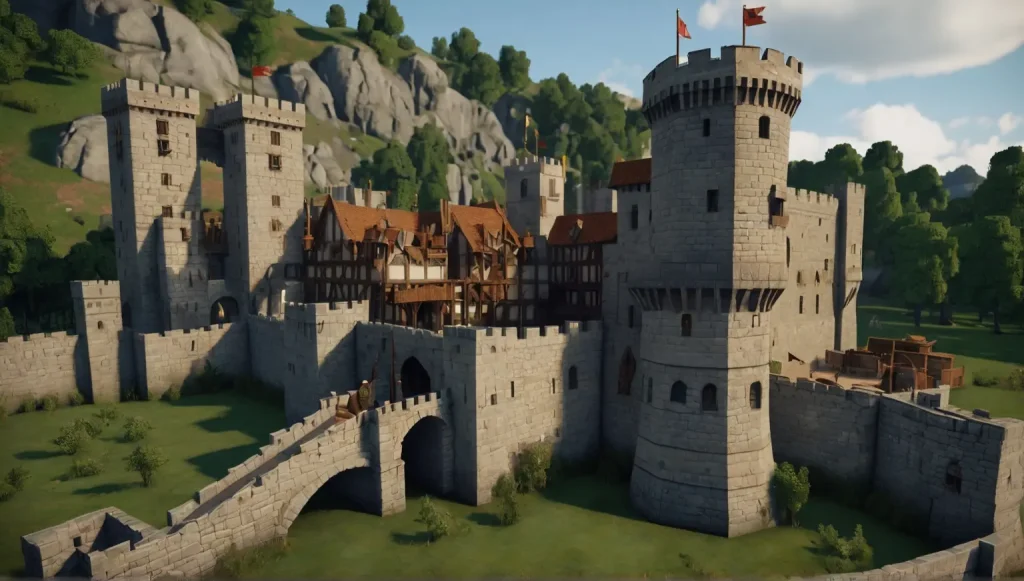
Medieval castles were built for both defense and prestige. Key architectural features include:
- Keep: The central tower of the castle, usually the strongest, serving as the lord’s residence and final defense.
- Curtain Walls: Thick surrounding walls often lined with towers and battlements for defense.
- Moat: Water-filled trenches that prevented easy access by enemies.
- Gatehouse: The main entrance, fortified with drawbridges, portcullises, and murder holes to protect against invaders.
- Towers and Turrets: Elevated points for archers and soldiers to monitor and defend the castle strategically.
- Courtyard: The main open area within the walls used for daily activities, markets, and gatherings.
Types of Medieval Castles
Castles evolved over centuries to serve various purposes:
- Motte-and-Bailey Castles: Early castles with wooden keeps on a mound (motte) and enclosed courtyard (bailey).
- Stone Keep Castles: Wooden structures were replaced with stone for durability and fortification.
- Concentric Castles: Castles with multiple layers of walls for enhanced protection.
- Water Castles: Castles built near rivers, lakes, or moats, using natural water defenses.
Life in a Medieval Castle
Medieval castles were more than military bases—they were vibrant communities:
- Nobility: Lords, ladies, and their families lived in the keep or inner chambers.
- Servants and Soldiers: Staff, guards, and soldiers maintained daily life and defense.
- Food and Supplies: Castles stored grains, meats, and other provisions to endure sieges.
- Entertainment and Culture: Great halls hosted tournaments, feasts, and celebrations, showcasing wealth and status.
Famous Medieval Castles
- Windsor Castle, England: A historic, massive inhabited castle that remains a royal palace.
- Neuschwanstein Castle, Germany: A 19th-century fairytale castle modeled after medieval castles.
- Edinburgh Castle, Scotland: A large fortress that hosted historical events and royal activities.
- Château de Chambord, France: A blend of medieval castle and Renaissance palace with iconic architecture.
The History of Castles in the Middle Ages
Medieval castles are not merely historical structures—they represent human skill, societal order, and the complex history of Europe. Today, they are visited by millions of tourists, historians, and architecture enthusiasts who experience the world of knights, lords, and great battles.
Conclusion
Medieval castles fascinate people with their architectural mastery, historical significance, and the stories embedded in their walls. Exploring a towering keep, walking along battlements, or imagining life within a fortified court transports us to a time when defense, prestige, and authority defined society.