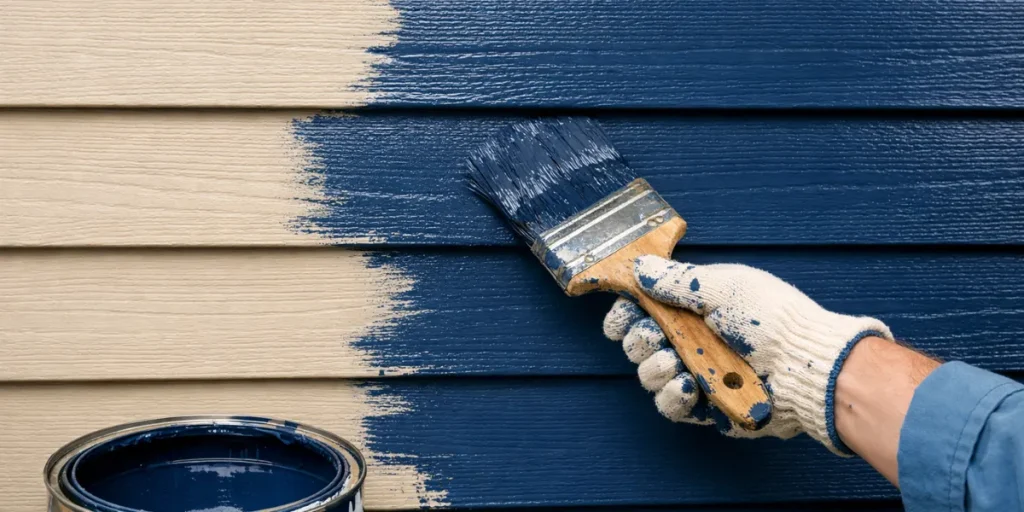
Vinyl siding is known for its durability and low maintenance, making it a popular choice for homeowners. However, over time, even the most well-maintained siding can begin to look faded, outdated, or worn. This often leads to an important question: can you paint vinyl siding instead of replacing it?
The answer is yes, vinyl siding can be painted. When done correctly, painting can refresh your home’s exterior, improve curb appeal, and extend the life of your siding. However, it is not as simple as painting wood or brick. Vinyl behaves differently, and understanding the proper process is essential for achieving long-lasting results.
This guide explains everything in a clear, easy-to-follow way, including the benefits, drawbacks, and a complete step-by-step method based on proven practices.
Understanding Vinyl Siding Before Painting
Vinyl siding is made from a plastic material that expands and contracts with temperature changes. This flexibility is what makes it durable, but it also means that paint must be able to move with the surface.
Unlike porous materials, vinyl does not absorb paint. Instead, paint must adhere to the surface and remain flexible over time. If the wrong type of paint is used, it can crack, peel, or fail prematurely.
Another important factor is heat. Vinyl siding can warp if it absorbs too much heat, which is why color choice and paint type are critical decisions.
Can You Paint Vinyl Siding Successfully?
Painting vinyl siding is a widely accepted solution for improving the appearance of a home, provided that the siding is still in good condition. If the panels are intact, not brittle, and free from major damage, painting can be an effective alternative to replacement.
However, success depends on proper preparation, suitable materials, and careful application. Skipping any of these steps can lead to poor results and additional costs later.
Benefits of Painting Vinyl Siding
One of the most appealing advantages of painting vinyl siding is cost savings. Replacing siding can be expensive and time-consuming, while painting offers a much more affordable way to achieve a fresh look.
Another benefit is the immediate visual transformation. A new coat of paint can completely change the appearance of your home, making it look newer and more modern. This is especially useful if the original siding color has faded or no longer matches your style.
Painting also provides an extra layer of protection. While vinyl is already resistant to weather, a quality paint job can help reduce the effects of sunlight and slow down fading over time.
In addition, painting gives you more flexibility in design. Instead of being limited to the original color, you can choose a shade that better fits your home’s aesthetic.
Drawbacks and Risks to Consider
Despite its advantages, painting vinyl siding does have some limitations. One of the biggest concerns is heat absorption. Darker colors tend to absorb more heat, which can cause the siding to expand excessively. This may lead to warping or buckling, which is often permanent.
Maintenance is another factor to consider. Painted vinyl siding will not last as long as factory-finished siding. Over time, the paint may fade or wear, requiring repainting every several years.
There is also the possibility of affecting the siding warranty. Some manufacturers do not cover painted siding, so it is important to understand the terms before starting the project.
Finally, the process requires careful preparation. Poor cleaning or using the wrong materials can lead to peeling or uneven results.
Choosing the Right Paint for Vinyl Siding
The type of paint you choose plays a major role in the outcome. High-quality exterior acrylic latex paint is generally recommended because it is flexible and designed to handle temperature changes.
Some paints are specifically formulated for vinyl siding. These products are designed to reflect heat and reduce the risk of damage. Choosing a paint labeled for vinyl use can improve durability and performance.
It is also important to avoid significantly darker colors than the original siding. Lighter or similar shades are safer because they reduce heat absorption.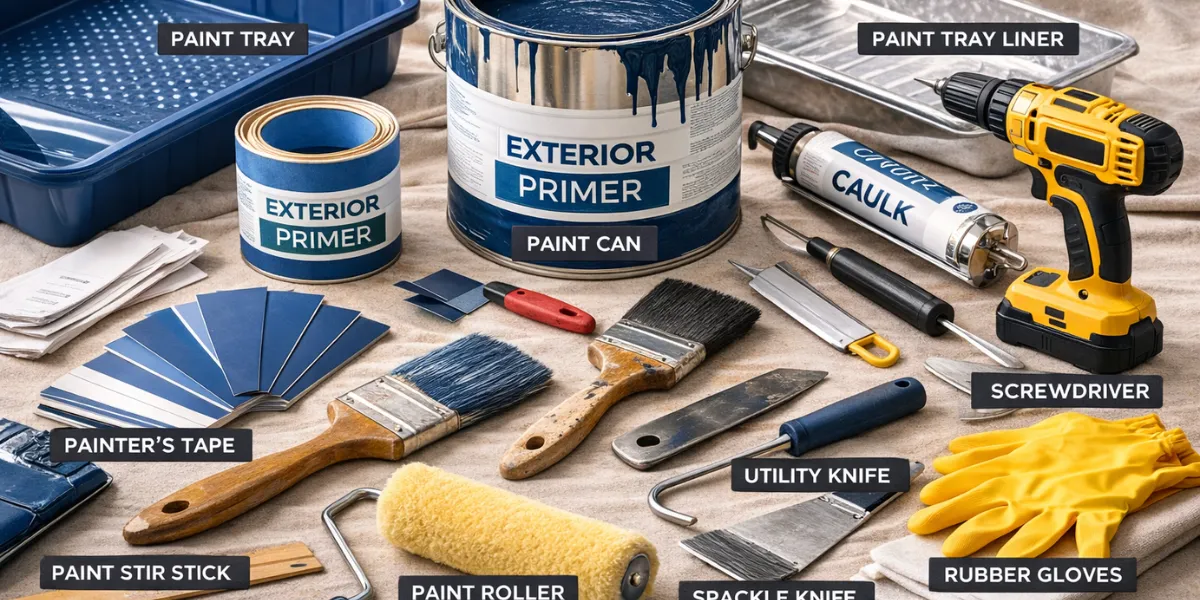
Step-by-Step: How to Paint Vinyl Siding
Painting vinyl siding requires a methodical approach. Following the correct sequence ensures a smooth and long-lasting finish.
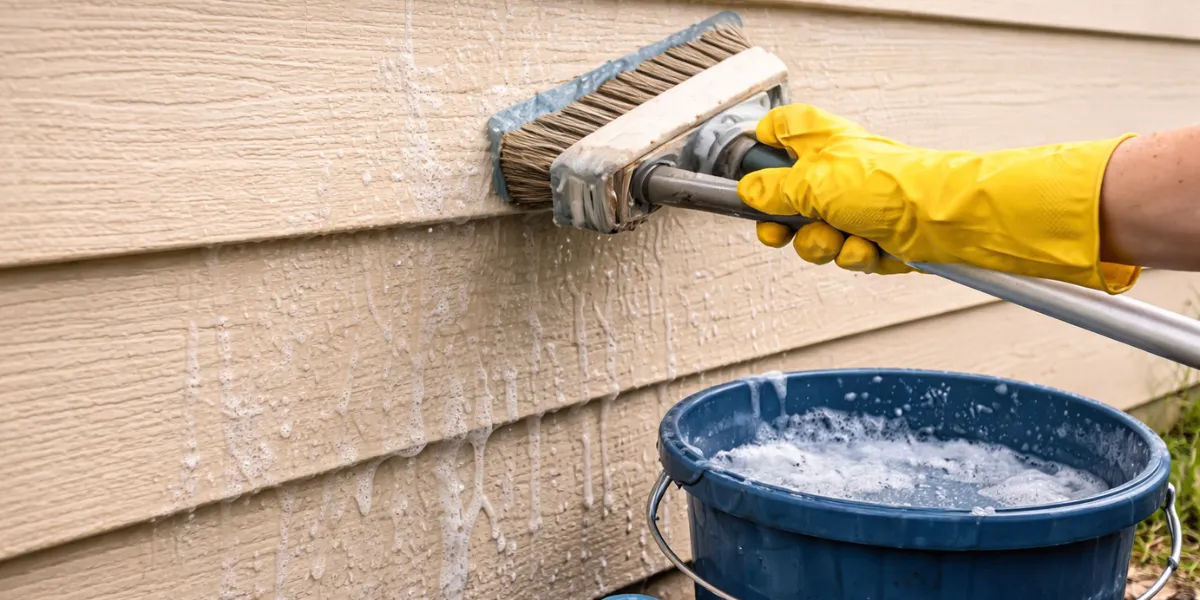
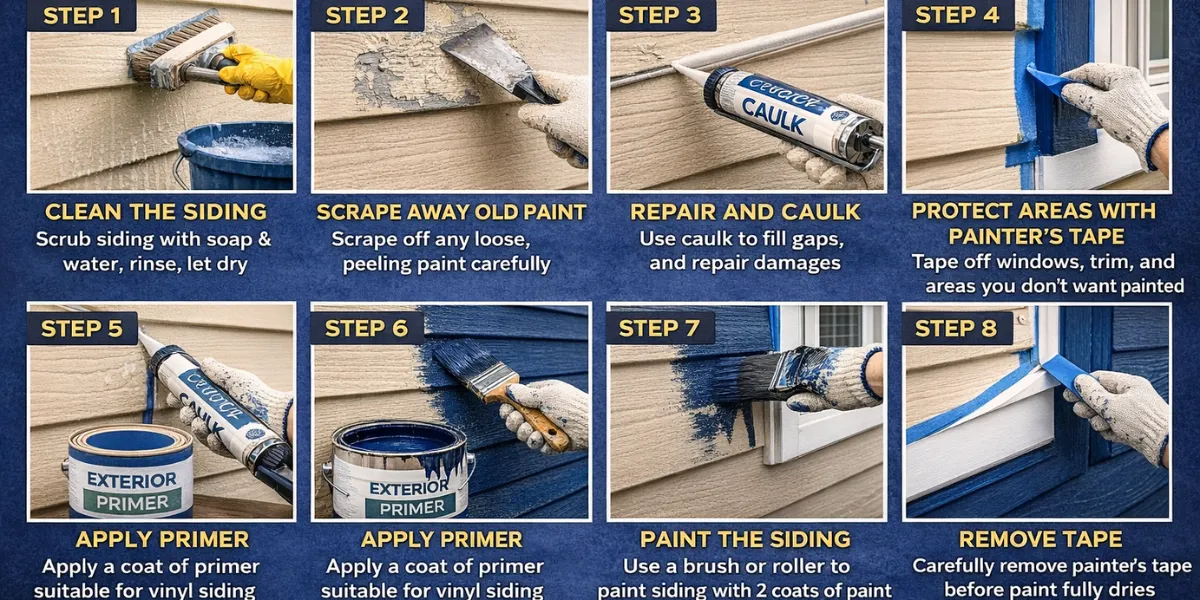 Step 1: Clean the Siding Thoroughly
The first step is to clean the surface completely. Dirt, dust, and mildew can prevent paint from sticking properly. Use a mixture of soap and water to scrub the siding, making sure to remove any buildup.
After cleaning, rinse thoroughly and allow the siding to dry completely. This step is essential because painting over a dirty or damp surface can lead to poor adhesion.
 Step 2: Scrape Away Old or Loose Paint
If the siding has been painted before, inspect it carefully. Any peeling or loose paint should be removed using a scraper. This creates a smooth surface and helps the new paint adhere properly.
Skipping this step can result in uneven coverage and early paint failure.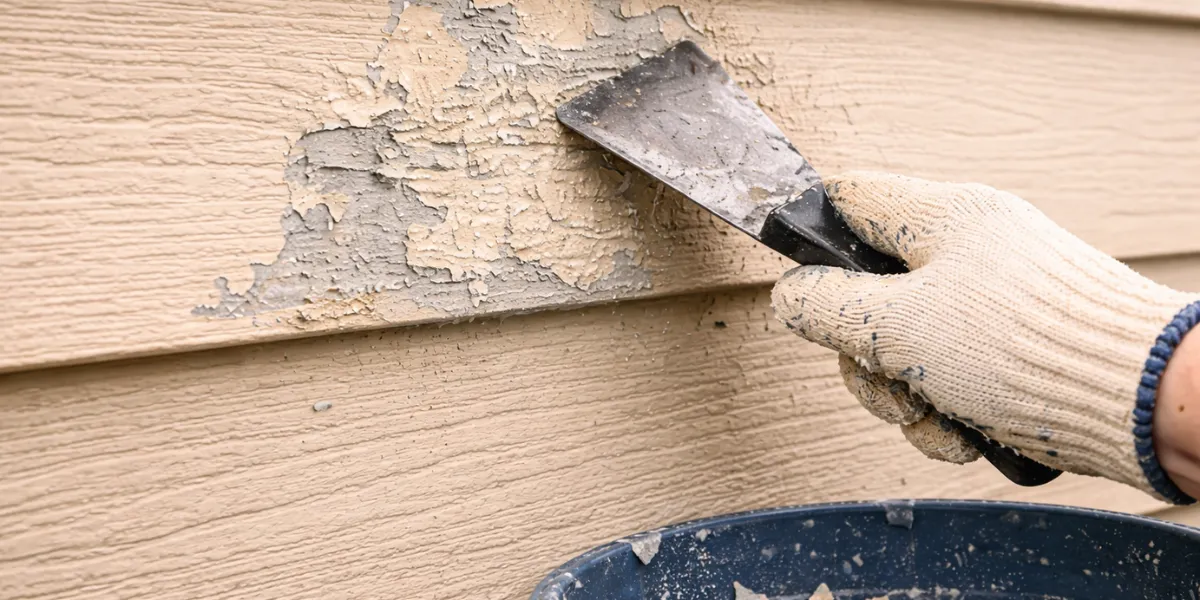
Step 3: Repair and Caulk Damaged Areas
Before painting, check for gaps, cracks, or minor damage. Use caulk to fill these areas and create a sealed surface. This not only improves the appearance but also prevents moisture from getting behind the siding.
Allow the caulk to dry fully before moving to the next step.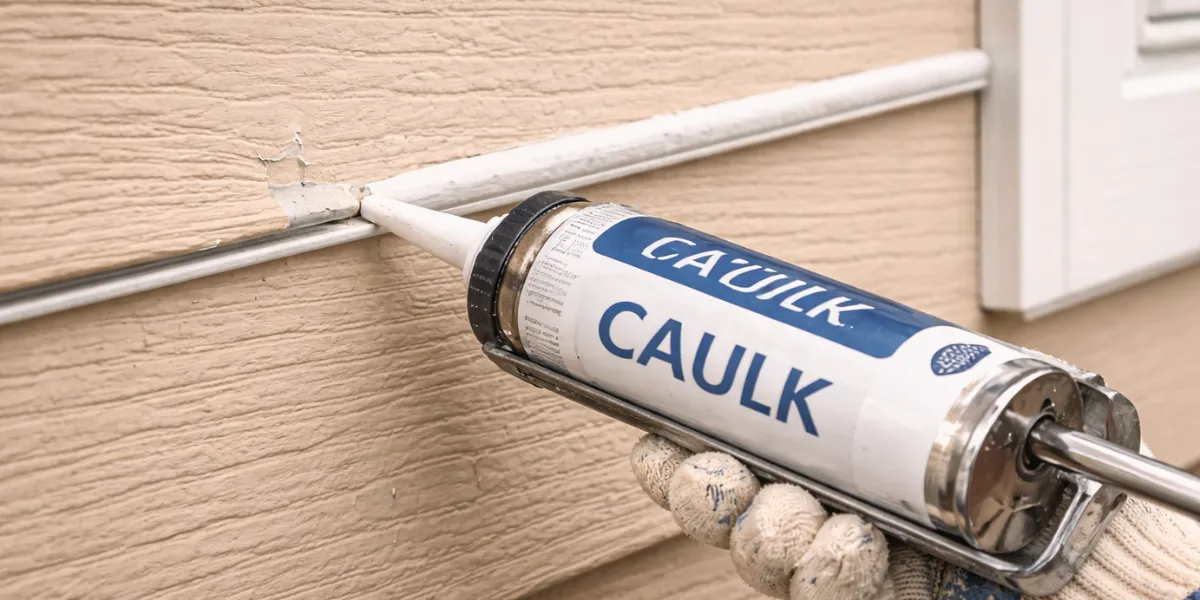
Step 4: Protect Surrounding Areas
To achieve clean, professional results, protect areas that should not be painted. Use painter’s tape to cover windows, trim, and edges. This prevents accidental paint marks and ensures sharp lines.
Taking the time to prepare properly makes the painting process smoother and more precise.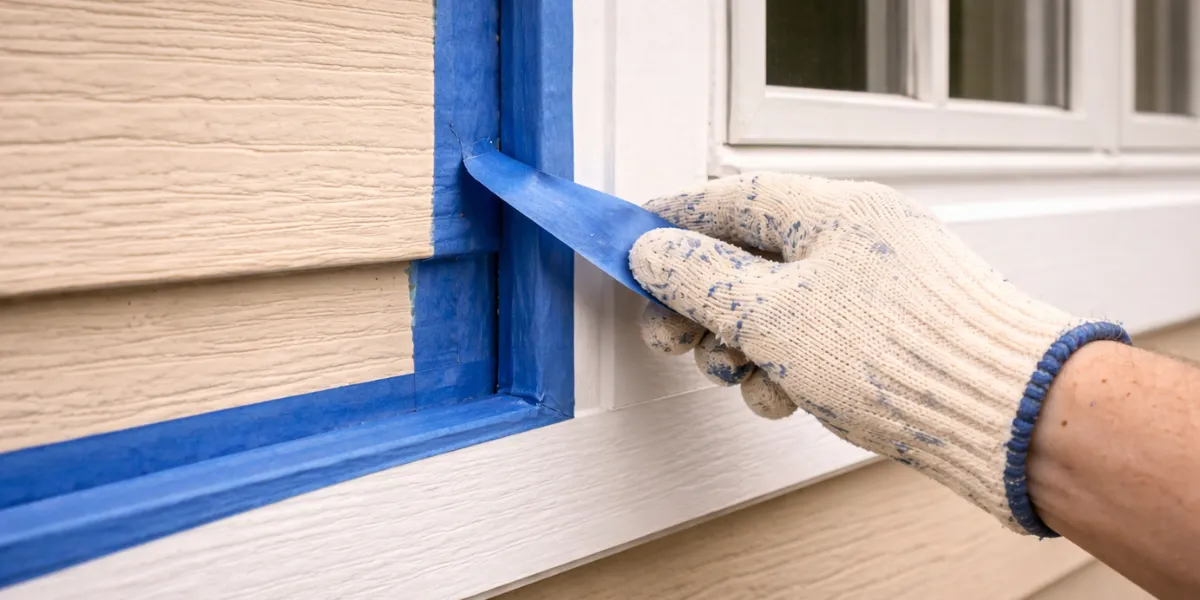
Step 5: Apply Primer if Needed
In some cases, applying a primer is beneficial. If the siding is heavily weathered or if you are making a noticeable color change, a primer can improve adhesion and provide a more even base.
Choose a primer that is suitable for vinyl surfaces. Allow it to dry completely before applying paint.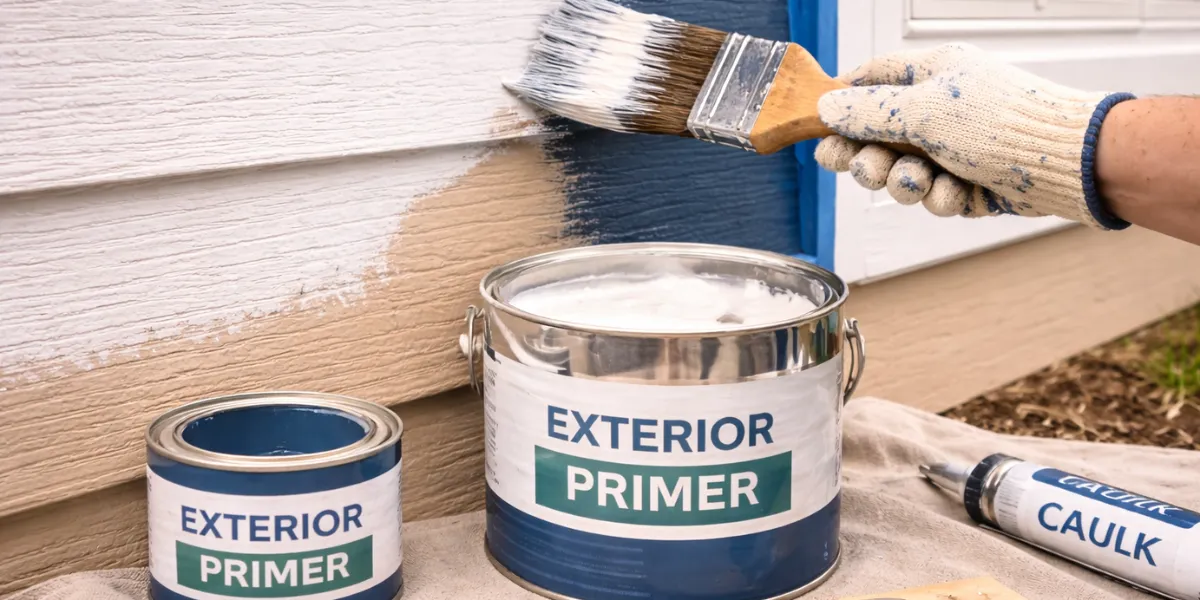
Step 6: Apply the First Coat of Paint
Once the surface is ready, begin painting. Use a brush, roller, or sprayer depending on your preference. Apply the paint in thin, even layers, following the direction of the siding panels.
Thin coats are important because they dry more evenly and reduce the risk of drips or uneven texture.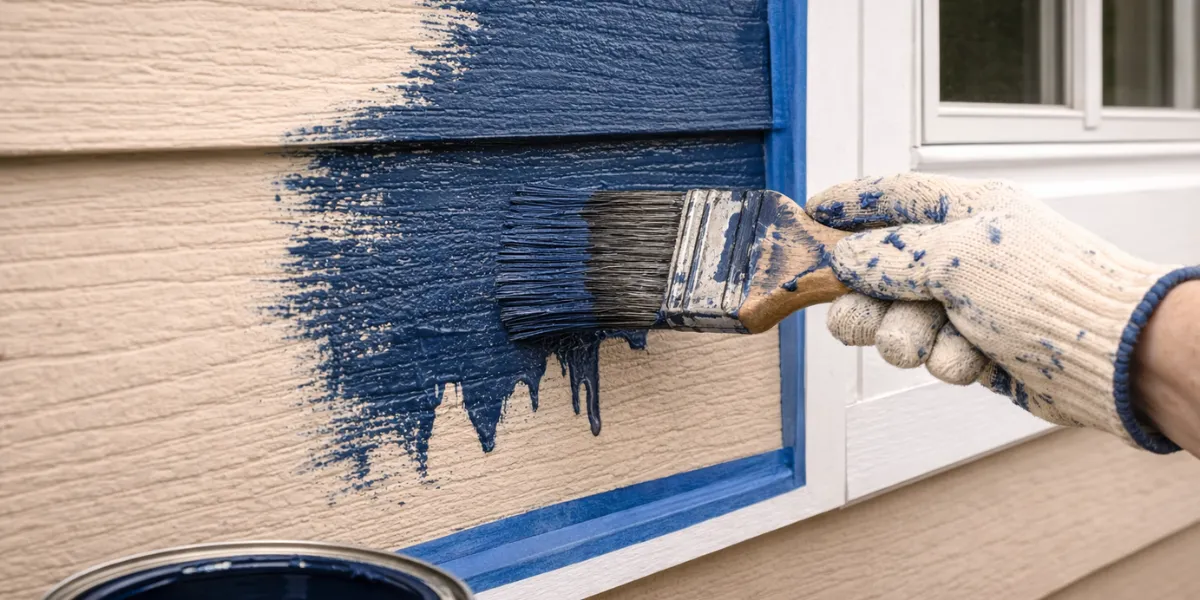
Step 7: Apply the Second Coat
After the first coat has dried, apply a second coat for full coverage and durability. This step ensures a consistent finish and enhances the longevity of the paint.
Allow adequate drying time between coats to avoid issues with adhesion.
Step 8: Remove Painter’s Tape Carefully
Once the paint is partially dry but not fully hardened, remove the painter’s tape carefully. This helps prevent the paint from peeling along the edges and leaves a clean, sharp finish.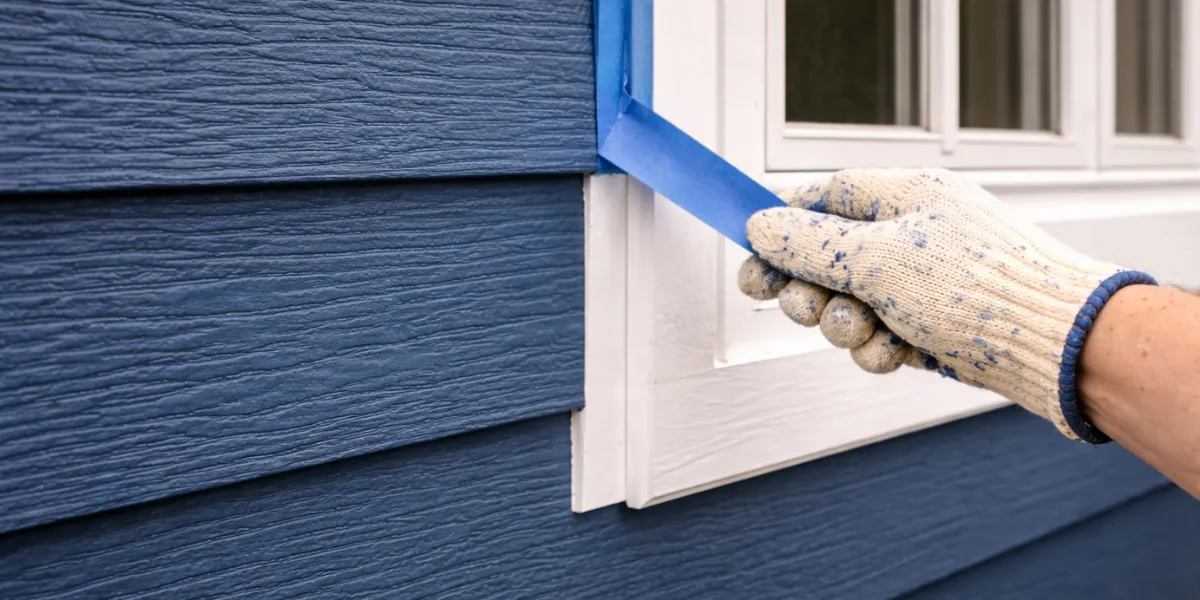
Best Conditions for Painting Vinyl Siding
Weather conditions play a significant role in the success of your project. Painting should be done in moderate temperatures, avoiding extreme heat or cold.
High temperatures can cause paint to dry too quickly, leading to uneven results. Cold conditions can slow down drying and affect adhesion. Choosing the right time of day and season helps ensure a smooth application.
How Long Does Painted Vinyl Siding Last?
When done correctly, painted vinyl siding can last between five and ten years. The lifespan depends on factors such as climate, paint quality, and maintenance.
Regular cleaning and care can help extend the life of the paint and keep the siding looking fresh.
Is Painting Vinyl Siding Worth It?
Painting vinyl siding is a practical solution for many homeowners. It offers a way to update the appearance of your home without the high cost of replacement.
However, it is not always the best option. If the siding is severely damaged or nearing the end of its lifespan, replacement may be a better investment.
For siding that is still in good condition, painting can deliver excellent results when done properly.
Final Thoughts
Painting vinyl siding is a realistic and effective way to refresh your home’s exterior. It requires more attention than other surfaces, but the results can be impressive when the process is followed correctly.
By understanding the material, choosing the right paint, and following a careful step-by-step approach, you can achieve a clean, durable finish that enhances your home’s appearance.