What Is a Cut Flower Garden?
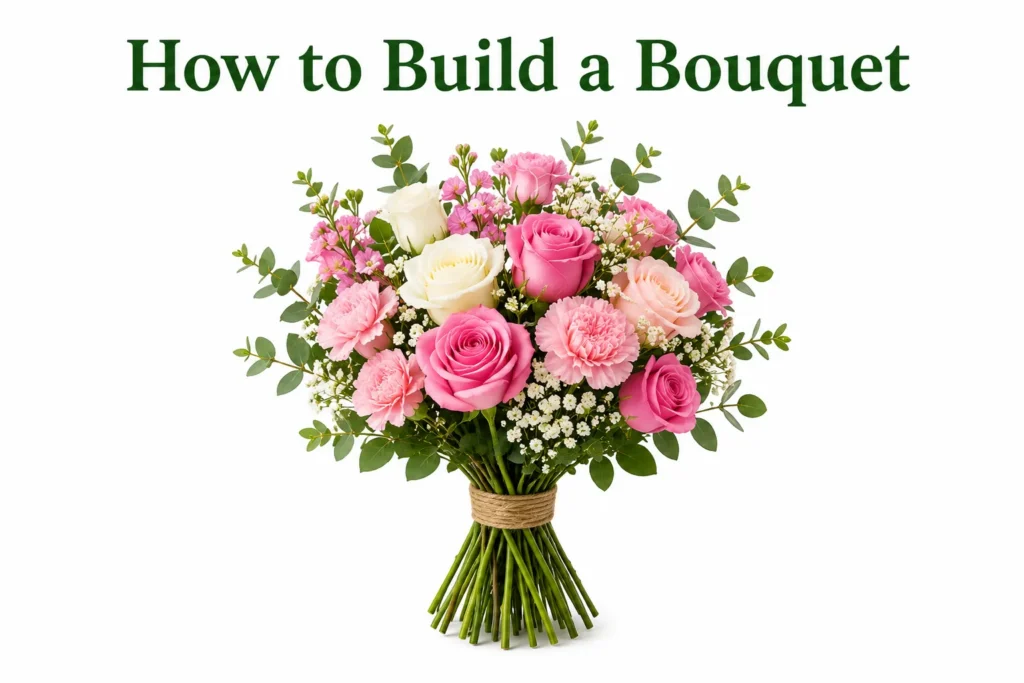
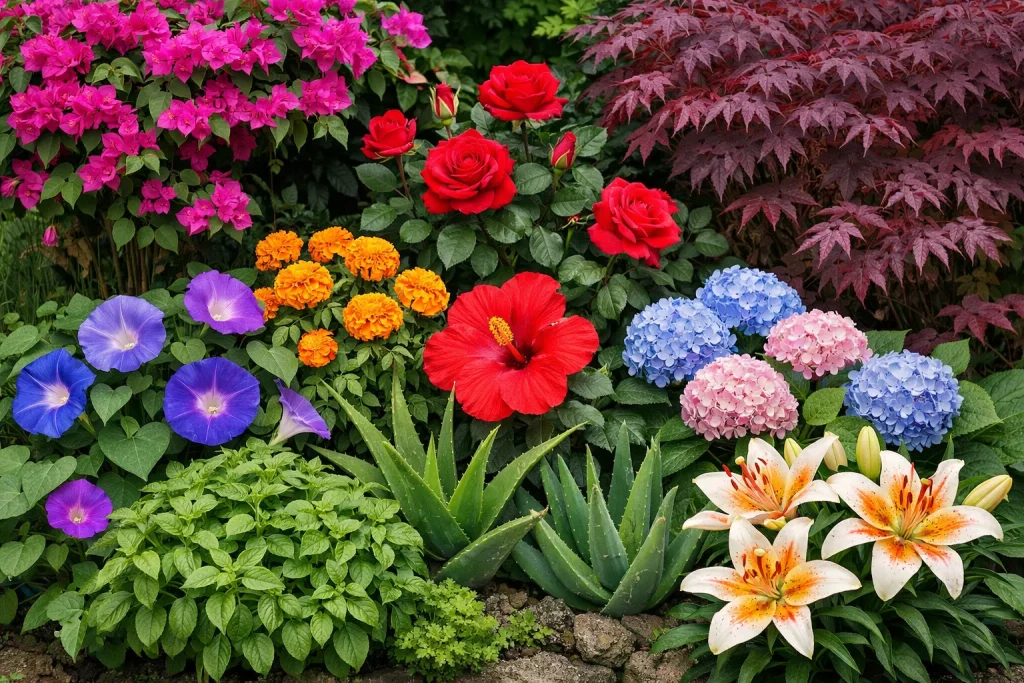
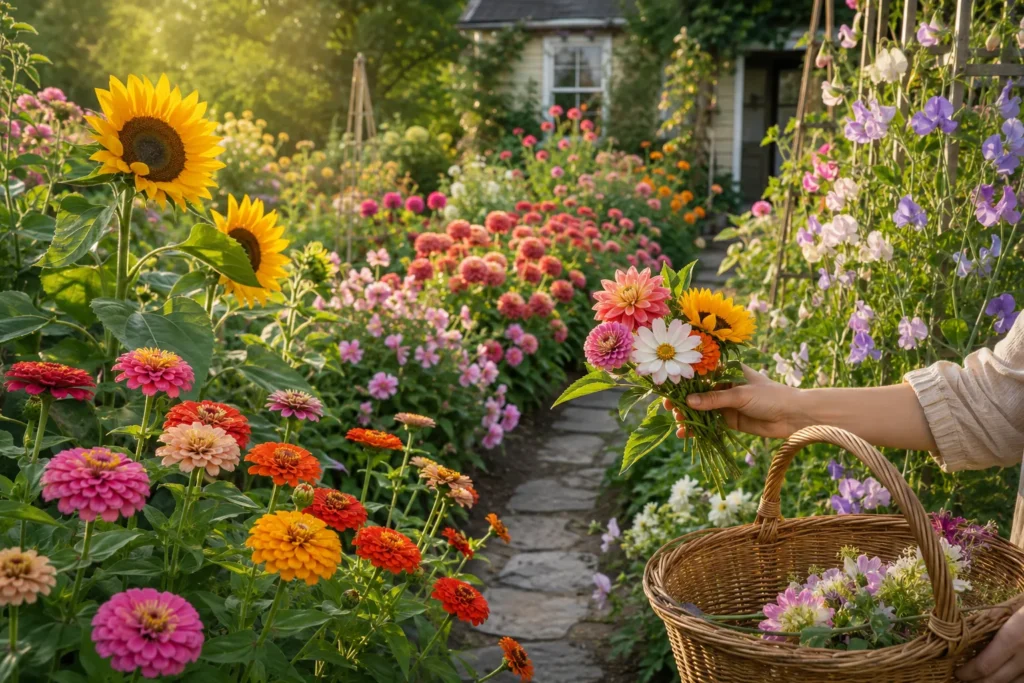
A cut flower garden is a small garden made for growing flowers that you can cut and bring inside. The flowers can go into a vase, a jar, a basket, or even a dried flower craft. Illinois Extension explains that a cut flower is any flower or flower bud cut from the plant and used for fresh or dried displays, wreaths, and garlands.
Think of it like a tiny flower shop in your own yard. One morning, you walk outside with a small bucket of water. You see zinnias, cosmos, sunflowers, and maybe a few soft stems of greenery. You cut a few flowers, bring them inside, and the kitchen table looks happy. That is the simple joy of a cut flower garden.
Why Grow a Cut Flower Garden?
A cut flower garden gives you fresh flowers without buying a bouquet every week. RHS says many garden plants can be enjoyed as cut flowers and foliage in the home, and they can give you cheaper and more varied options than florist flowers. 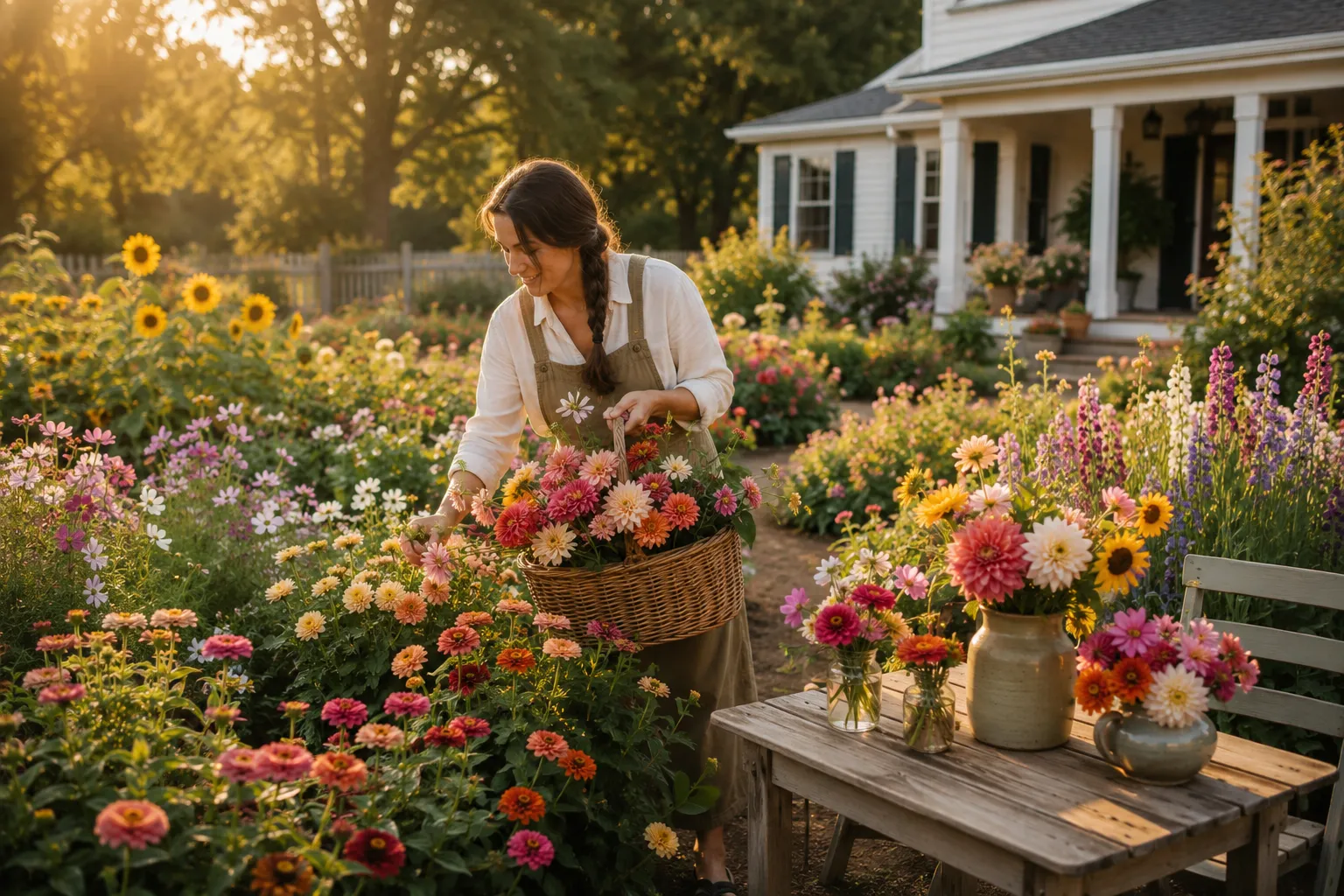
It also lets you pick flowers without making your main garden look empty. RHS says a special cutting garden can be more productive and can stop you from taking too many flowers from your normal borders.
This is why many gardeners like to keep one small space just for cutting. It does not need to be huge. Floret explains that a small dedicated flower space can still give many bouquets, and that you do not need a large estate-style garden to grow flowers for cutting.
Choose a Sunny Spot First
Most cut flowers love sun. RHS says cut flowers usually need a sunny place, and Illinois Extension also says most cut flower plants prefer sun. 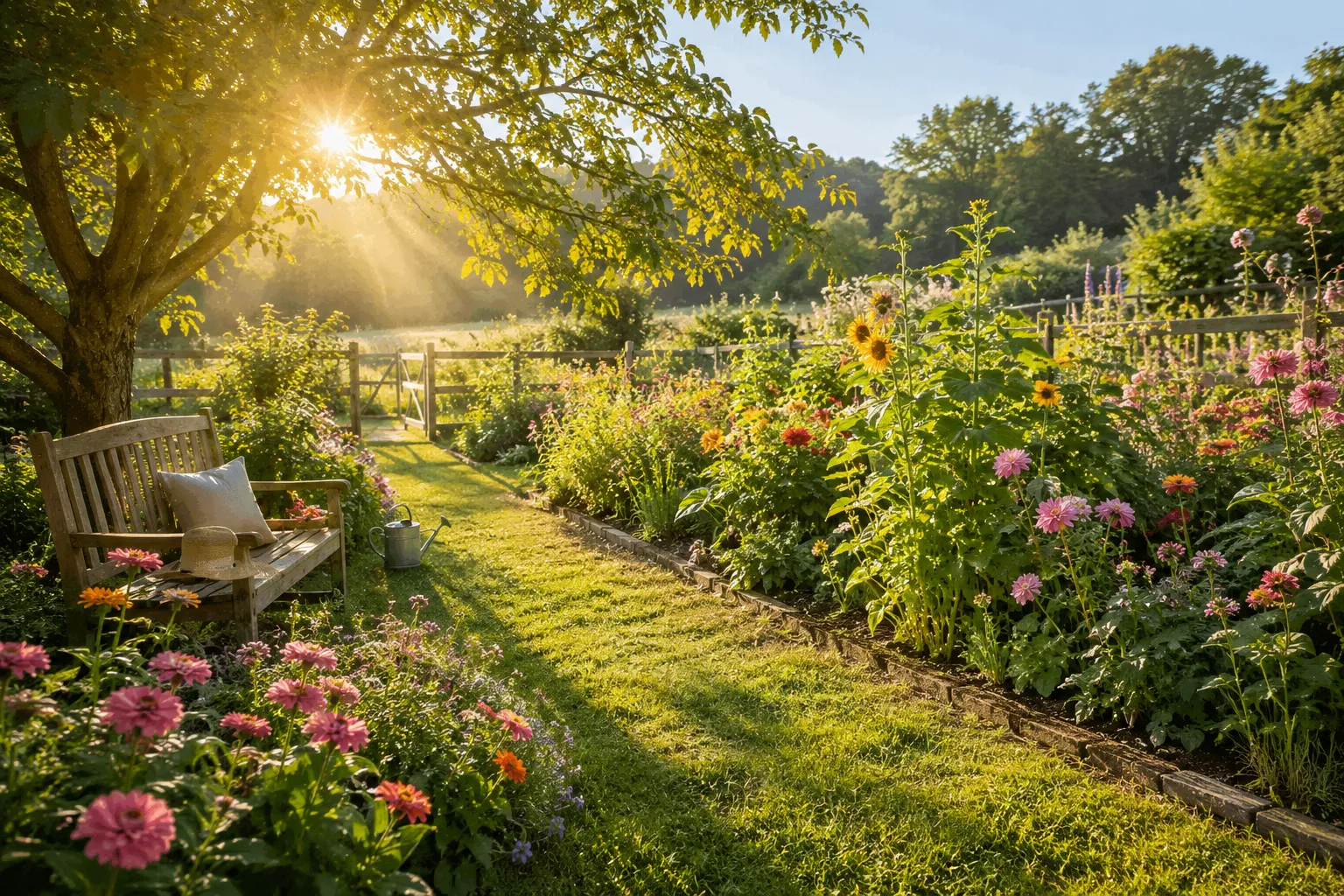
So, before you plant anything, watch your yard. Look where the sun stays for a long time. A sunny corner near a path is useful because you will see the flowers often. Illinois Extension says flowers mature quickly, so it helps to plant them where you can check and cut them at the right time.
Try to keep the garden close to water too. Illinois Extension says a cut flower site should have easy access to water. This matters because new plants and fresh cuts need water often.
Give the Flowers Good Soil
Flowers need food from the soil, just like children need healthy meals. RHS says cut flowers need fertile, weed-free soil. It also says adding organic matter can help sandy and clay soils hold moisture and improve soil structure. 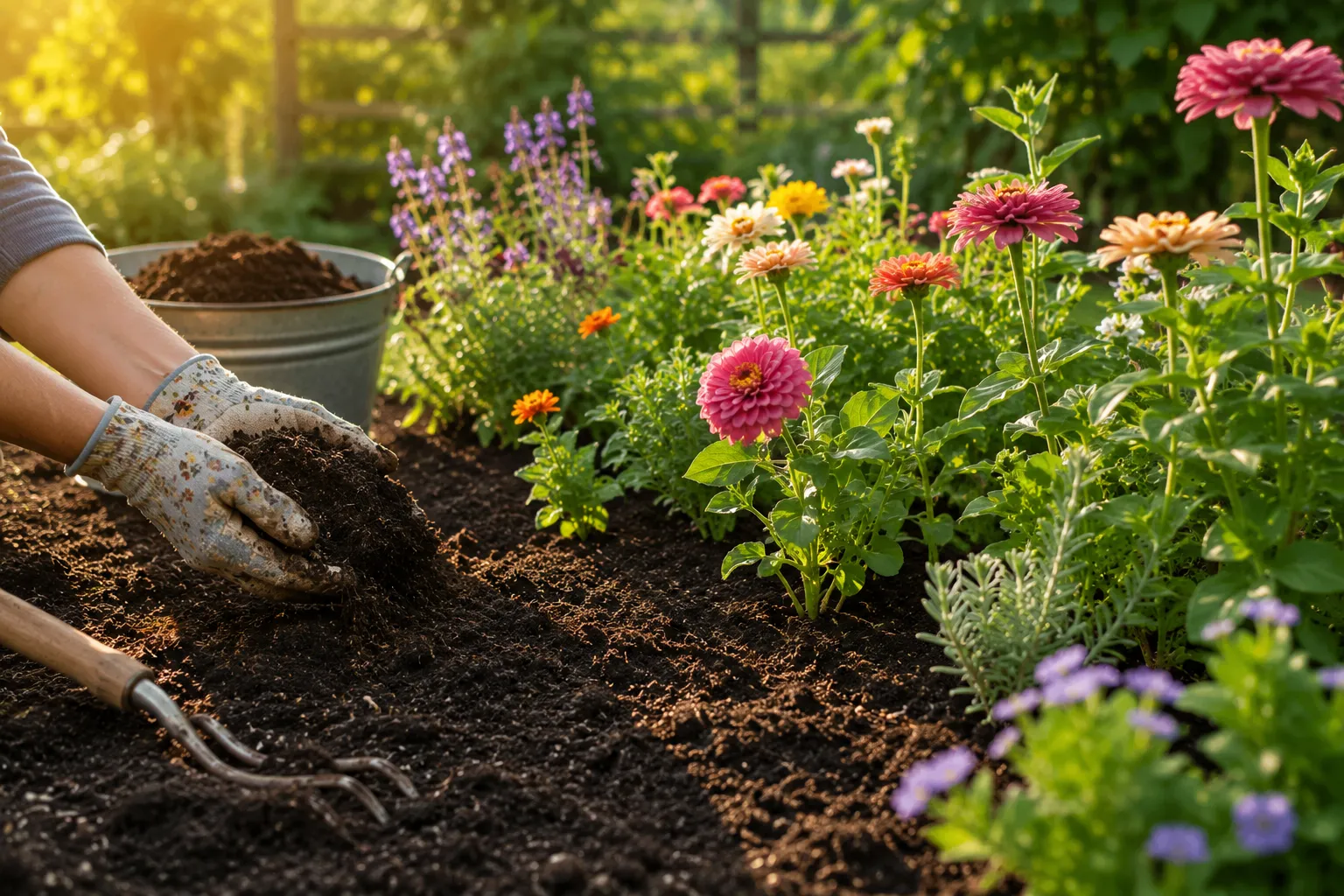
Illinois Extension says a soil test is recommended before planting, so you can understand your soil and know what changes it may need. It also says raised beds can help when soil quality is poor, while ground beds work well if you want to grow many flowers.
Mulch can also help. RHS says mulch can suppress weeds and retain moisture. Illinois Extension also names mulch, landscape fabric, and black plastic as weed-control options in a cut flower garden.
Plant in Rows So Picking Is Easy
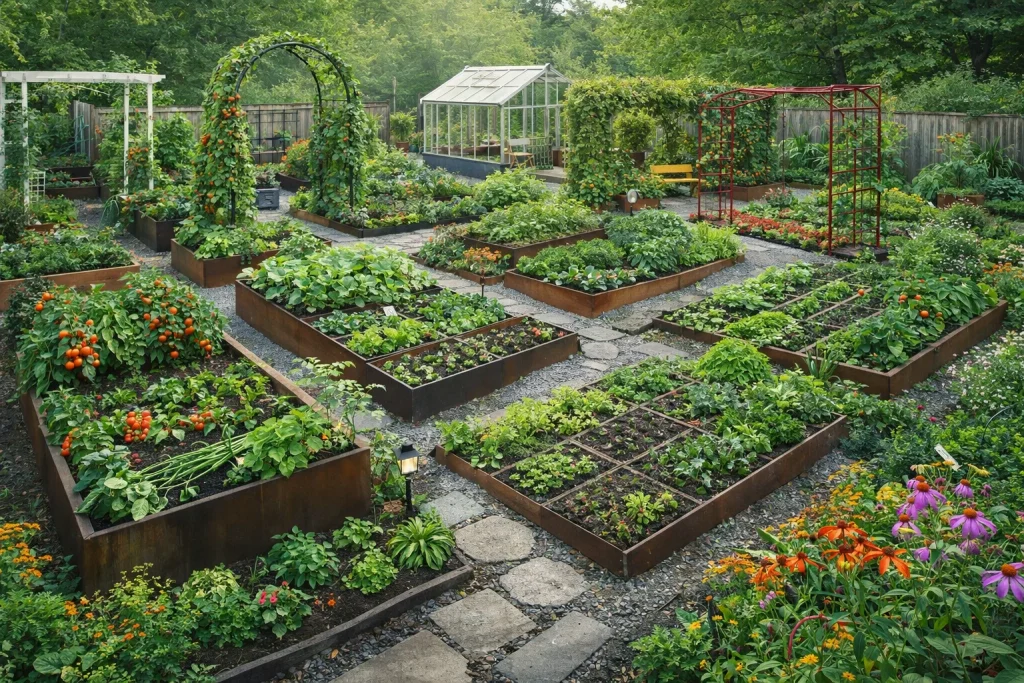
A cut flower garden does not have to look like a wild mess. It can look simple and neat. RHS recommends planting or sowing cut flowers in rows because rows make weeding, staking, and picking easier.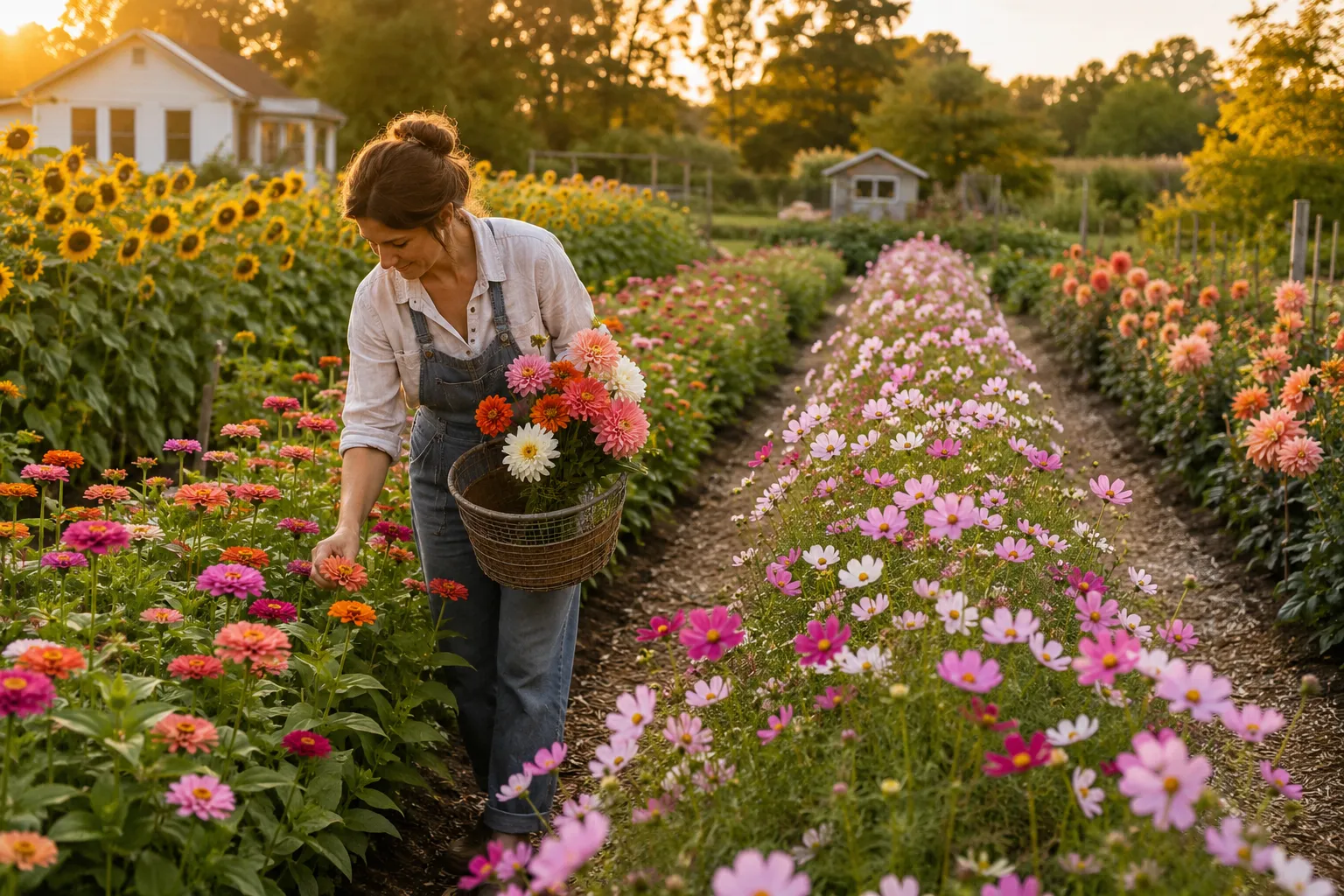
Rows also help you walk between the plants. If flowers are too close together, RHS says they can fall into each other, get tangled, and become harder to harvest. Taller flowers may also need strong supports.
This is where the garden starts to feel like a small flower farm. One row can hold zinnias. Another can hold cosmos. A taller row at the back can hold sunflowers or snapdragons. The goal is not to make the garden perfect. The goal is to make it easy to cut, water, weed, and enjoy.
Pick Easy Flowers for the First Year
For a first cut flower garden, simple flowers are best. Illinois Extension names zinnia, strawflower, celosia, gomphrena, amaranthus, cosmos, black-eyed Susan, and sunflowers as annual flowers that can be started from seed or direct seeded into a sunny spot.
RHS also gives examples of annuals such as sunflowers, cosmos, sweet peas, and zinnia. Annuals are plants that grow, flower, make seed, and finish their life in one growing season.
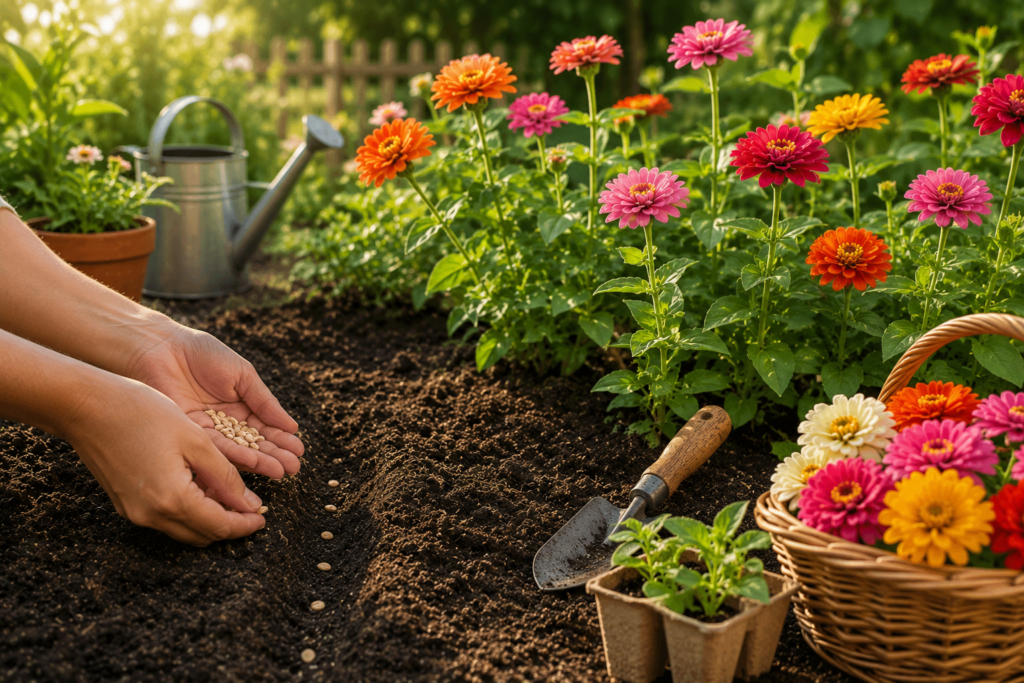
Zinnias are a strong beginner choice because they come in many colors and work well in cut flower displays. University of Minnesota Extension says zinnias are good for cut flower displays because they have a wide range of colors and petal amounts.
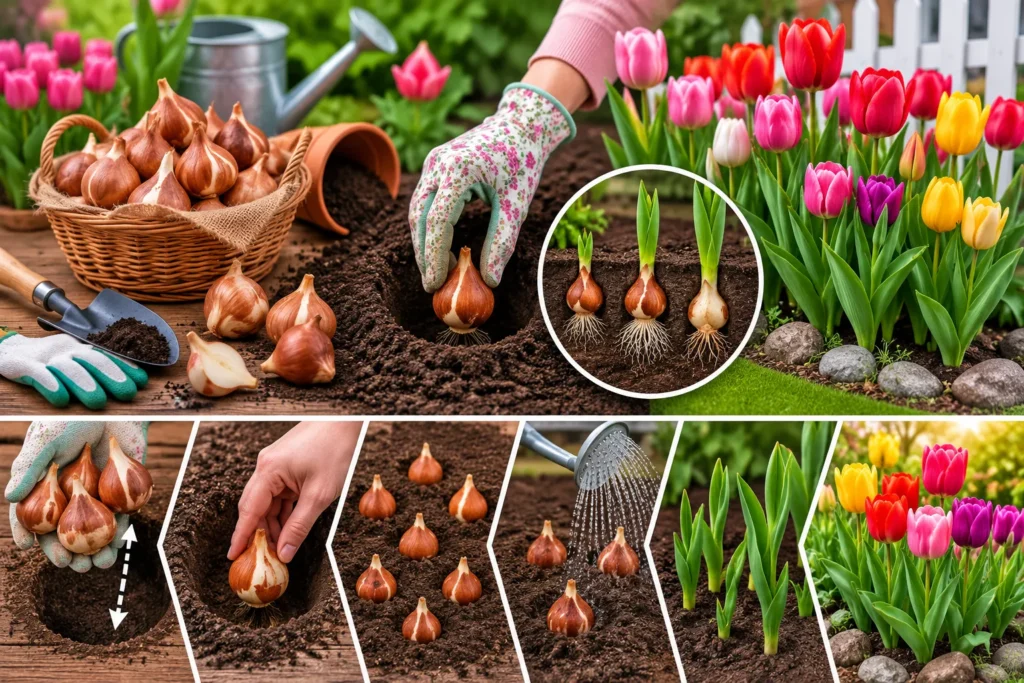
You can also add bulbs and perennials later. Illinois Extension lists tulips, daffodils, dahlias, gladiolus, lilies, peonies, coneflowers, yarrow, garden phlox, and mums as examples for different seasons.
Use Seeds or Transplants
You can grow flowers from seeds, or you can buy small plants called transplants. Illinois Extension says seeds are cheaper and come in more varieties, but they need a proper place to start indoors. Transplants cost more, but they save time and space. 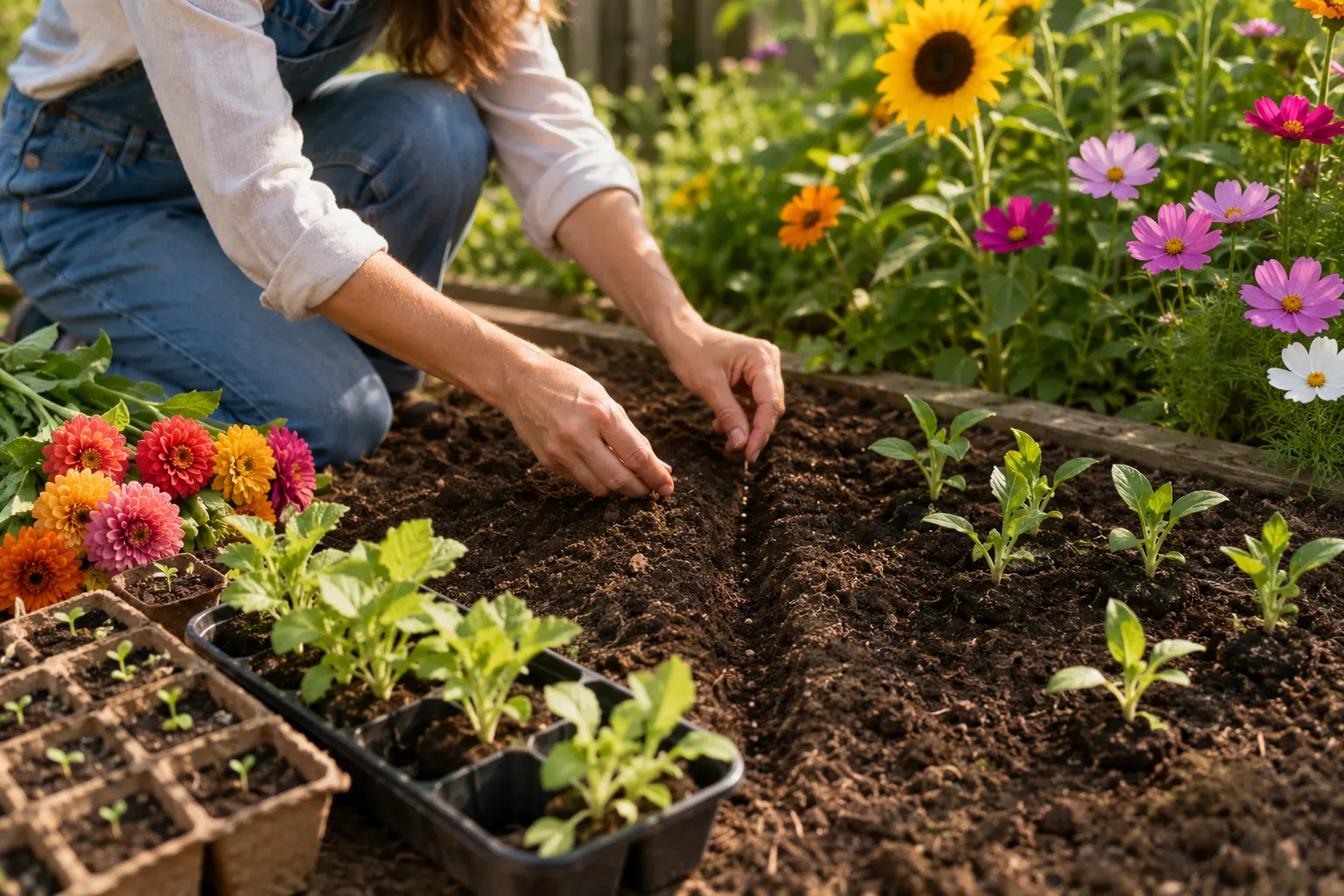
For a new gardener, this choice depends on time. Seeds feel magical because a tiny dry seed becomes a tall flower. Transplants feel easier because the plant is already started. Both can work. The most important thing is to choose flowers that suit your space, weather, and skill level.
Illinois Extension also says you should stagger what you plant by bloom time, so flowers are available more often. This means you do not plant everything for one short flower show. You plan for fresh blooms across the season.
Keep the Garden Growing
After planting, the garden needs simple care. Weeds can steal space, water, and light from flowers. Illinois Extension says weeding is part of cut flower garden care, and mulch or fabric can help prevent weeds. 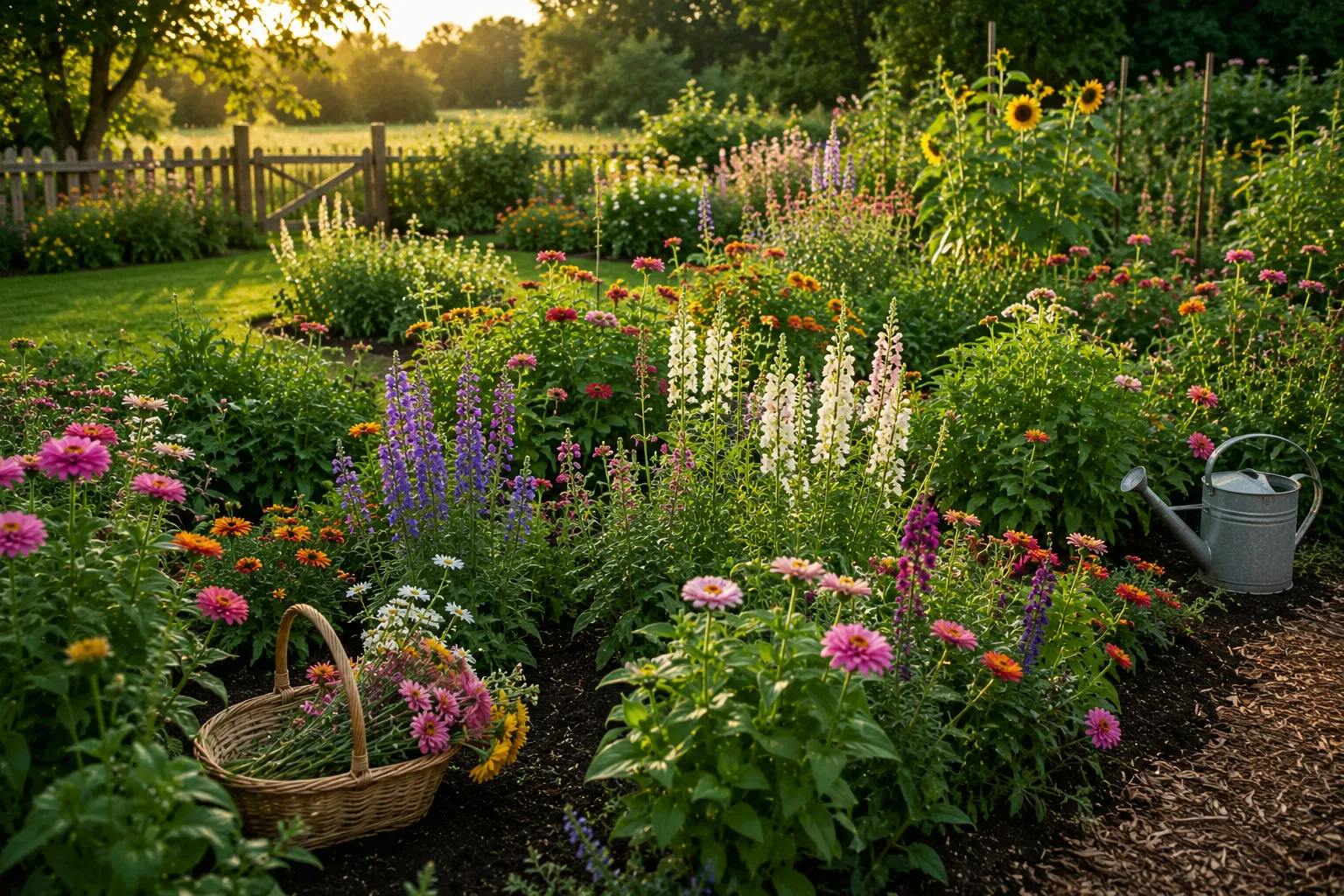
Watering needs can change by plant type. Illinois Extension says soaker hoses or drip irrigation can be useful. These watering methods can help get water near the roots without splashing everything.
Some flowers may need pinching, disbudding, or pruning. Illinois Extension notes that some flower plants may need these jobs. These words sound big, but the idea is simple. You help the plant grow better stems and better flowers by removing certain small parts at the right time.
Cut Flowers at the Right Time
Cutting time matters. Illinois Extension says some flowers should be cut as buds or before they fully open, while others are best cut when fully open. A newer Illinois Extension guide says sunflowers, gladiolus, and peonies can be harvested when partly open or beginning to open, while zinnias and dahlias should be fully open at harvest. 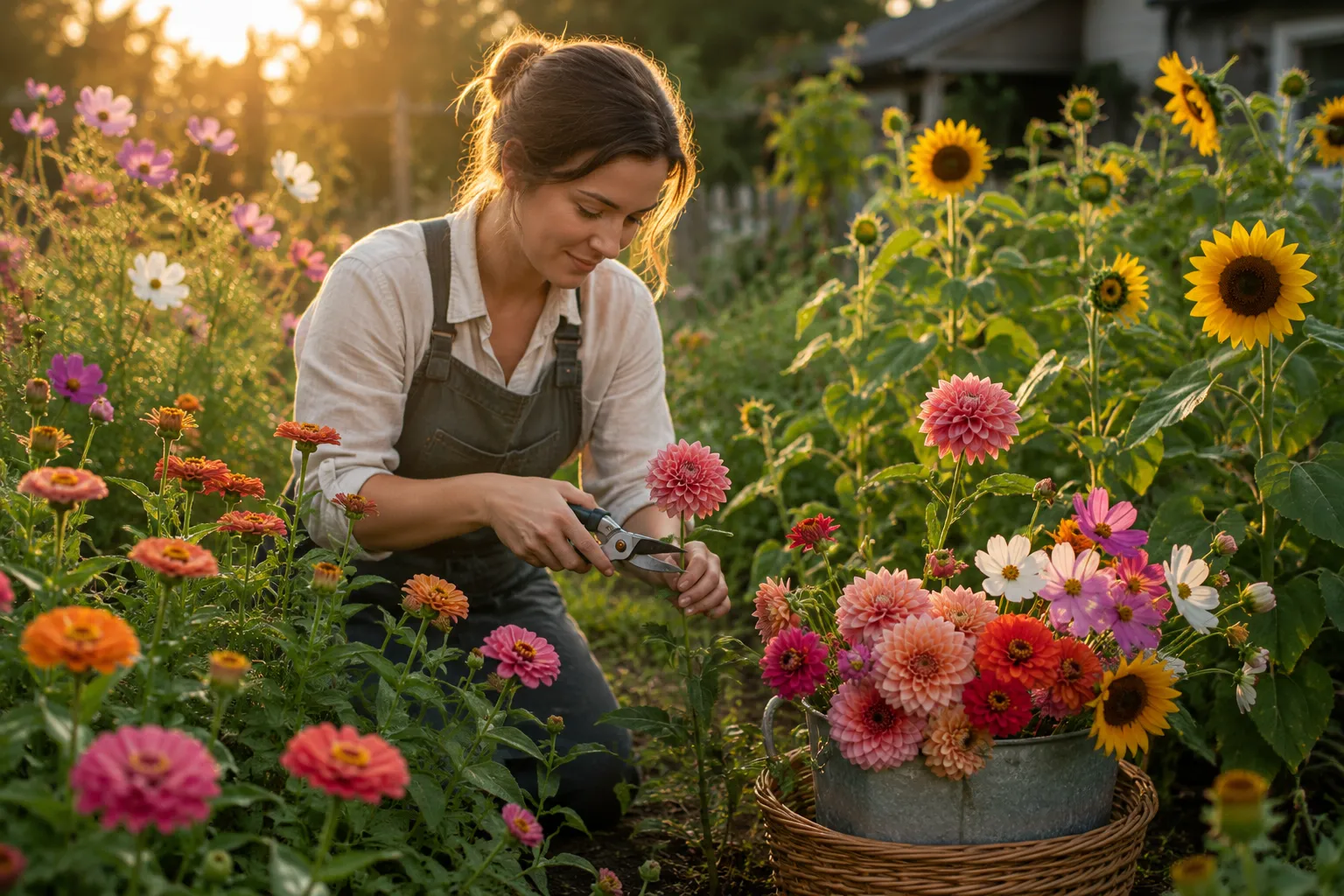
Use clean, sharp pruners or shears. Illinois Extension says sharp, clean bypass pruners or shears help maximize vase life. It also says flowers should go into water as soon as possible after cutting.
Imagine a child running after playing outside. That child wants water. A flower stem is similar. Once it is cut, it cannot drink from its roots anymore. So take a bucket of clean water into the garden and place stems in water right away. Illinois Extension recommends doing this to keep stems hydrated.
Make Bouquets Last Longer
A bouquet lasts longer when the vase is clean and the water is fresh. Illinois Extension says clean vases help stop bacteria buildup, which can block stems and shorten vase life. It also says submerged leaves should be removed because leaves under water can decay and cause bacterial growth. University of Minnesota Extension says changing the water every two days helps fresh-cut zinnias look their best. 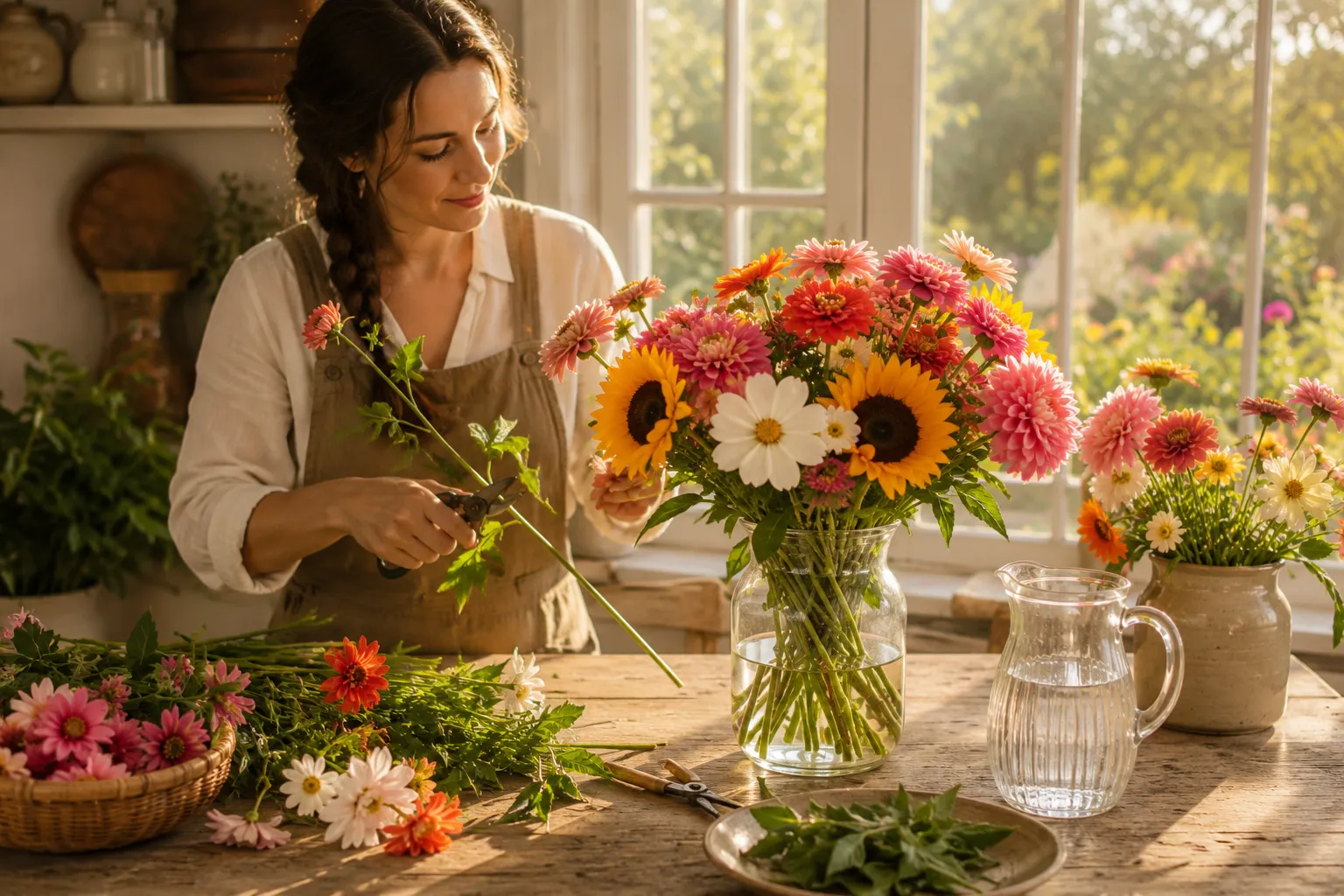
Where you place the vase also matters. Illinois Extension says bouquets should be kept away from heat, direct sunlight, and ripening fruit. Ripening fruit releases ethylene gas, which can make flowers fade faster.
A Small Garden Can Still Feel Special
A cut flower garden does not need to be perfect. It can start with one sunny bed, one row of zinnias, one row of cosmos, and a few sunflowers at the back. RHS says a dedicated cutting area can be productive, while Illinois Extension says flowers can also be added into your existing landscape if you do not have space for a separate garden. 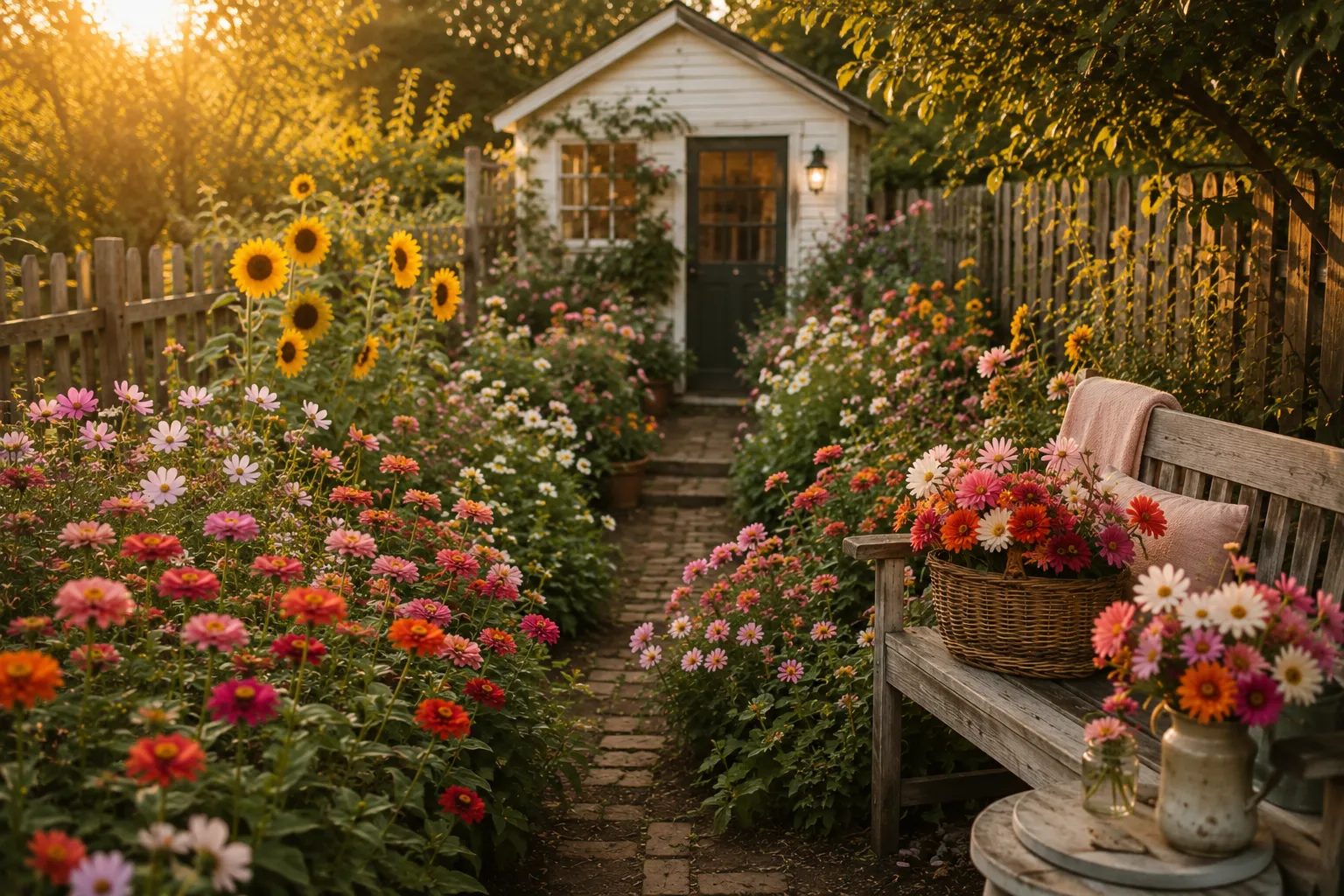
The first year is like learning a small song. You may plant too close. You may forget to cut one bloom in time. You may learn that one flower loves your yard and another flower does not. That is normal. RHS suggests keeping records about plant performance and seed sources, so you can make better choices next time.
Final Thoughts
A cut flower garden is one of the sweetest ways to make a home feel alive. You plant seeds or small plants. You water them. You watch tiny leaves become stems, buds, and bright blooms. Then one day, you cut a few flowers and place them in a vase.
The work is simple, but the reward feels big. Choose sun. Use good soil. Plant in rows. Start with easy flowers like zinnias, cosmos, and sunflowers. Keep the vase clean and the water fresh. With time, your garden can give you flowers for the table, flowers for a friend, and flowers for quiet mornings when you just want something beautiful nearby.