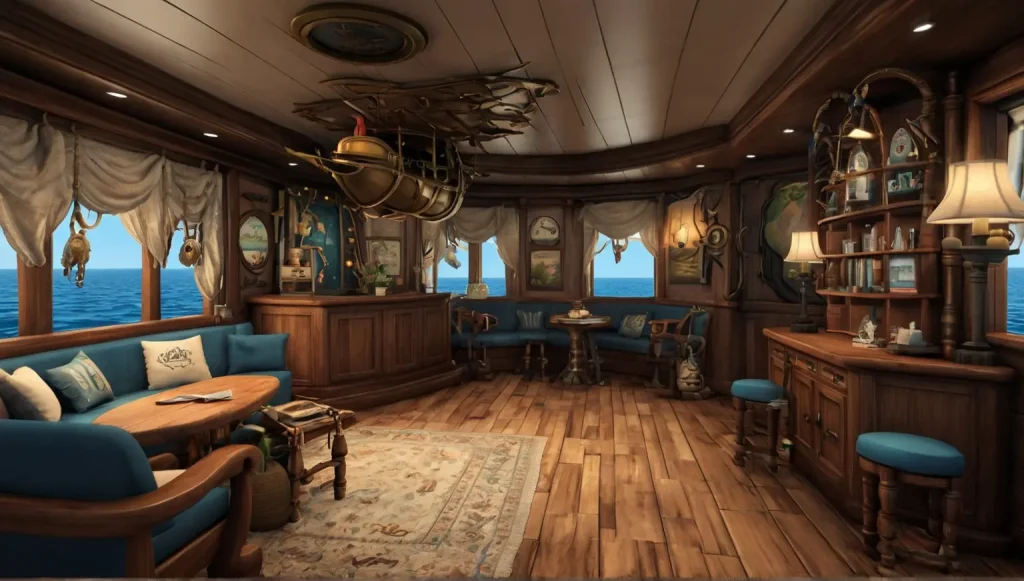
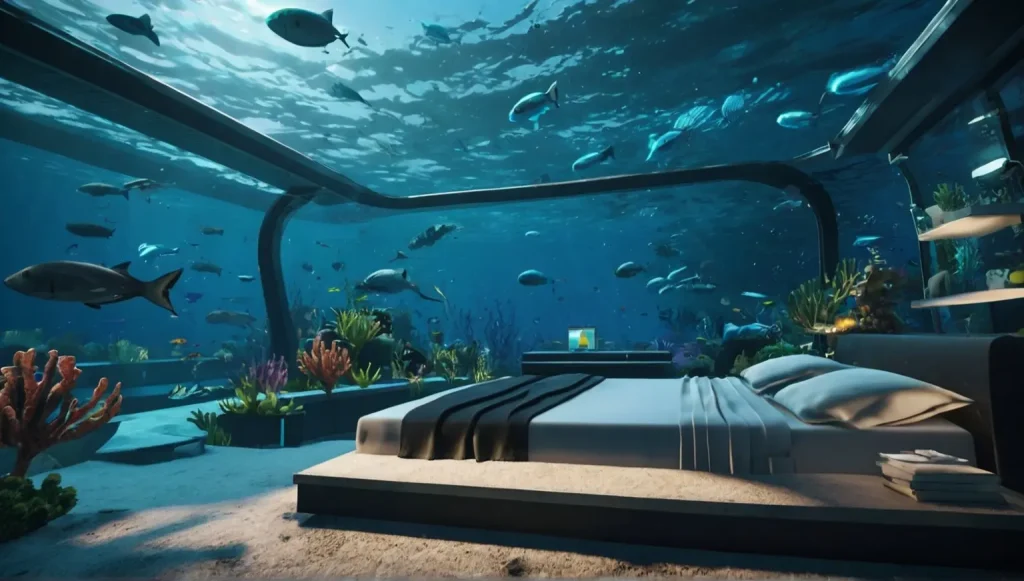
The concept of dwelling under the sea has been of interesting imagination to scientists, designers and dreamers alike. Nowadays the idea of a futuristic underwater space is getting closer to reality, thanks to the rapid technological development in the sphere of engineering, renewable energy and on the sea. These are the innovative spaces which have integrations of science, architecture, and imagination which provide the new form of life experience on earth, where human beings can explore, learn, and even live under the sea.
In this post we shall discuss what futuristic underwater spaces are, how they will be designed, their possible applications, the advantages and disadvantages that they will have on the world.
What Is a Futuristic Underwater Space?
A futuristic underwater space is a man-made building that is situated under the ocean floor that is meant to be used by human beings. These areas may be used as follows:
- Research labs
- Hotels or resorts
- Conservation centers
- Energy generation units
- Underwater museums
- The urban boomerang of the future
In contrast to the conventional underwater stations, futuristic designs are aimed at sustainability, comfortable lifestyle, and long-term habitation. They use high tech materials, AI-driven technologies, and environmentally friendly technologies to build a safe and inspirational underwater world.
Main Characteristics of Futuristic Underwater Spaces
Transparent Dome Building
Reinforced glass or acrylic domes which afford panoramic views of marine life are used in many futuristic concepts. This gives the impression of living like being in a giant aquarium, but you are not a spectator, you are one of the members.
Pressure-Resistant Materials
The construction of modern underwater structures is made of steel, titanium composite, and high density glass that can resist high pressure of the ocean and also resist corrosion.
AI-Powered Smart Systems
AI assists in:
- Air purification
- Illumination and control of temperature
- Water quality monitoring
- Energy management
- Predictive safety alerts
These systems provide a stable, safe and efficient underwater life.
Renewable Energy Sources
Underwater spaces usually depend on:
- Wave energy
- Solar panels at the surface
- Tidal turbines
- Salinity gradient power (blue energy)
This makes the system self-sufficient and environment friendly.
Underwater Transportation Pods
Futuristic ideas include pod-based transportation systems which travel between underwater stations and surface ones, making underwater travel efficient and seamless.
Design of Futuristic Underwater Spaces
Site Selection
Engineers select locations with:
- Stable sea floors
- Low seismic activity
- Sheltered marine ecosystems
- Manageable depth levels
Modular Construction
Underwater spaces are usually constructed in sections and shipped to the site for assembly. This minimizes interference with marine ecosystems.
Air and Water Systems
Life-support systems include:
- Air filtration and compression
- Emergency O₂ supply
- Freshwater desalination
- Wastewater recycling
Bio-Friendly Lighting
Lighting systems imitate natural sunlight without disrupting marine life.
Interior Aesthetics
Futuristic interiors focus on:
- Spacious layouts
- Minimalist furniture
- LED mood lighting
- Curved walls for safety
- Biophilic design
Purposes and Uses of Futuristic Underwater Spaces
Scientific Research
Researchers can study marine ecosystems, climate change, and deep-sea organisms directly in their natural environment.
Tourism & Hospitality
Underwater hotels offer luxury stays while guests watch marine life in real-time.
Ocean Conservation
These spaces serve as bases for coral reef restoration, marine species protection, and pollution monitoring.
Renewable Energy Production
Some underwater stations function as testing centers for ocean-energy technologies.
Education & Exploration
Imagine students learning in underwater classrooms with marine life visible outside the windows.
Future Urban Living
As land becomes limited, underwater habitats could become part of future living solutions.
Advantages of Futuristic Underwater Living
- Unique lifestyle experience with panoramic ocean views
- Environmentally friendly construction using renewable energy
- Direct opportunities for marine research
- Tourism revenue for coastal nations
- Constant monitoring helps preserve marine ecosystems
Challenges to Overcome
- High construction and maintenance costs
- Safety concerns due to storms, water pressure, and equipment failures
- Psychological effects from isolation and limited sunlight
- Environmental impact if not planned carefully
The Future of Living Under Water
Futuristic underwater spaces may soon become:
- Parts of smart, eco-friendly cities
- Luxury tourism destinations
- Marine conservation headquarters
- Ocean science education centers
- Semi-permanent residential communities
With evolving technology, humans may live partly underwater just as we live on land or in