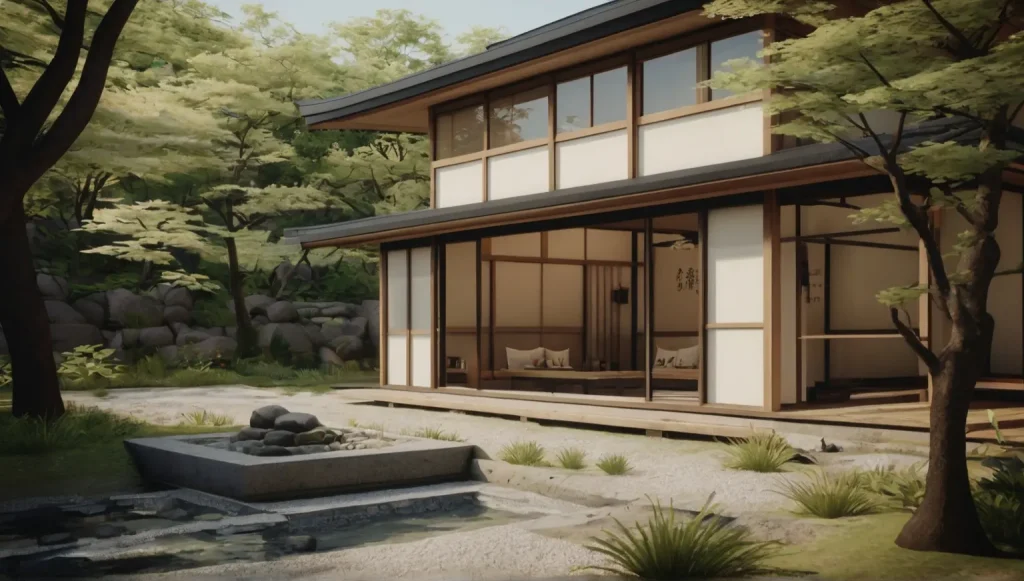
In an era of constant connectivity and urban hustle, Zen house design emerges as a timeless antidote—a philosophy rooted in Zen Buddhism that prioritizes simplicity, harmony with nature, and mindful living. Originating in ancient Chinese and Japanese traditions, Zen design has evolved into a global movement, blending minimalist aesthetics with modern functionality. This guide explores the core elements of Zen house design, innovative ideas, interior trends, and inspiring real-world examples, including unique projects like Hikari House and the House with the Gabion. Whether you’re envisioning a full renovation or subtle updates, these principles can transform your space into a tranquil retreat.
Core Principles of Zen House Design
Zen design is guided by seven foundational principles, often called the “Shibumi Seven,” which emphasize effortless perfection and natural flow. These aren’t rigid rules but flexible inspirations for creating spaces that foster calm and clarity. Here’s a breakdown:
| Principle | Description | Design Application |
|---|---|---|
| Kanso (Simplicity) | Eliminating the unnecessary to achieve clarity. | Decluttered rooms with multifunctional furniture; open floor plans that prioritize essential elements. |
| Fukinsei (Asymmetry) | Embracing imperfection and natural irregularity, inspired by wabi-sabi. | Uneven stone paths or asymmetrical layouts that mimic nature’s organic forms. |
| Shibui (Subtlety) | Understated elegance that reveals beauty over time. | Muted earth tones and handcrafted wood accents that age gracefully. |
| Shizen (Naturalness) | Harmony with the environment, without forced artifice. | Integration of indoor plants, large windows for natural light, and materials like bamboo or reclaimed wood. |
| Fukinryu (Nonchalance) | Effortless flow, avoiding rigid formality. | Sliding shoji screens for flexible room divisions and low seating like floor cushions. |
| Datsuzoku (Freedom) | Breaking conventions to spark creativity. | Unexpected elements, such as a zen rock garden in a living room corner. |
| Seijaku (Tranquility) | Inner peace through quietude and solitude. | Soft, diffused lighting and sound-absorbing textiles to create meditative zones. |
These principles ensure Zen homes aren’t just visually appealing but spiritually nurturing, promoting mindfulness in daily life.
Zen House Ideas: Blending Tradition and Modernity
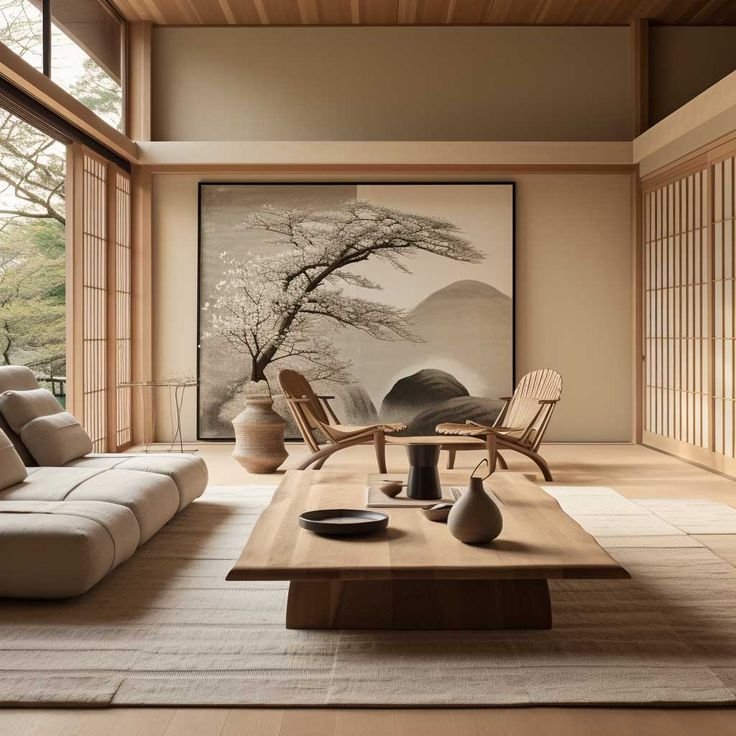
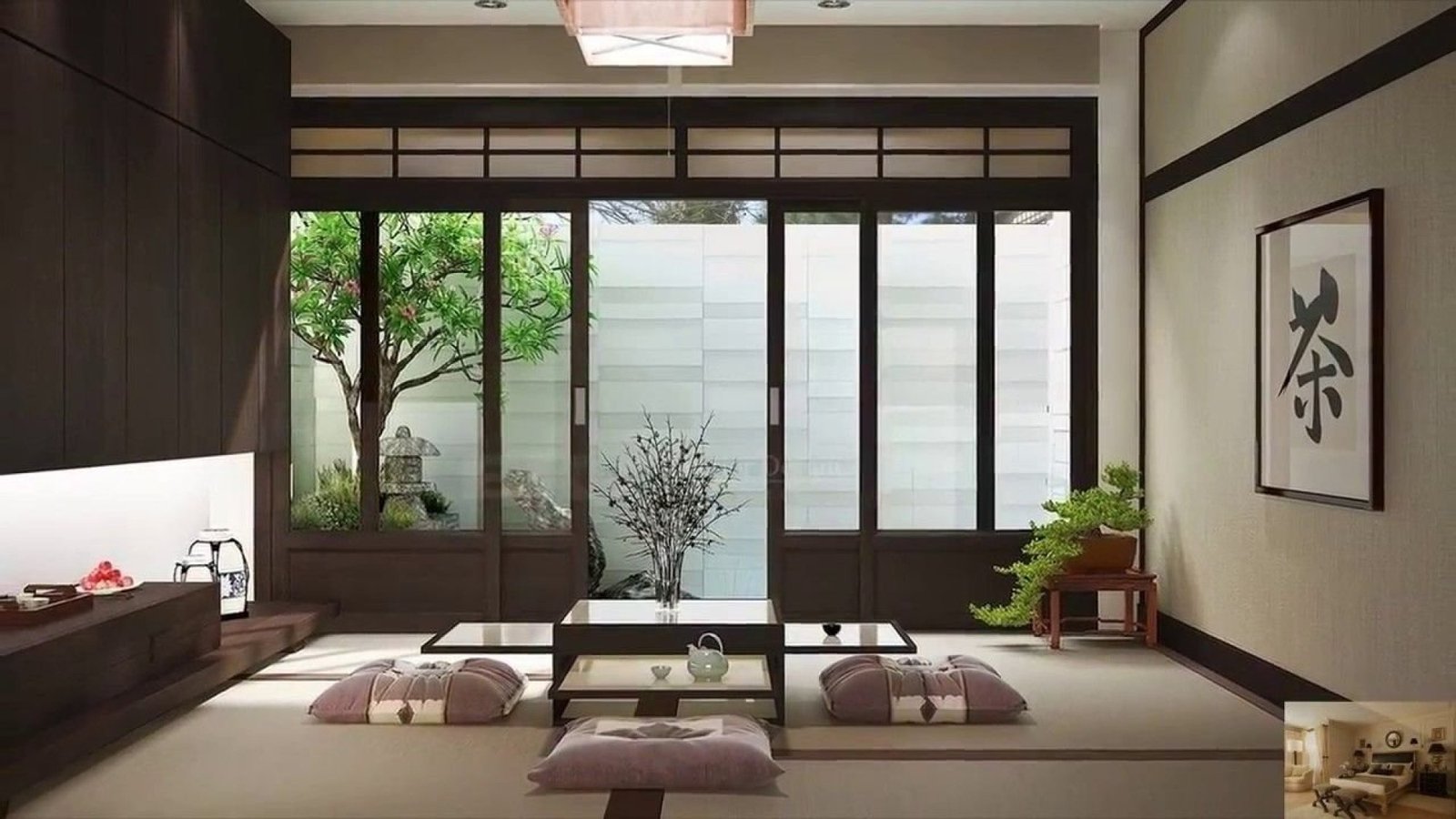
Zen design thrives on adaptability. Start with a neutral palette of whites, beiges, grays, and soft greens to evoke nature’s calm. Incorporate biophilic elements like indoor water features or vertical gardens to bridge indoor and outdoor spaces. For small urban homes, opt for multifunctional tatami mats that double as flooring and seating. In larger properties, create a central atrium with a koi pond for a focal point of reflection.
Modern twists include smart tech hidden behind minimalist panels—think automated shoji blinds that adjust for optimal light without disrupting serenity. Sustainable materials like recycled bamboo or low-VOC paints align with Zen’s respect for nature, reducing environmental impact while enhancing well-being.
Zen House Interior Design: Trends for 2025
In 2025, Zen interiors lean toward “soft minimalism,” softening stark lines with organic textures and wellness-focused features. Key trends include:
- Low-Profile Furniture: Platform beds and floor-level dining tables foster grounding, earth-connected living. Add zabuton cushions for versatile seating.
- Layered Lighting: Combine natural daylight from floor-to-ceiling windows with dimmable LED strips and rice-paper lanterns for a spa-like glow.
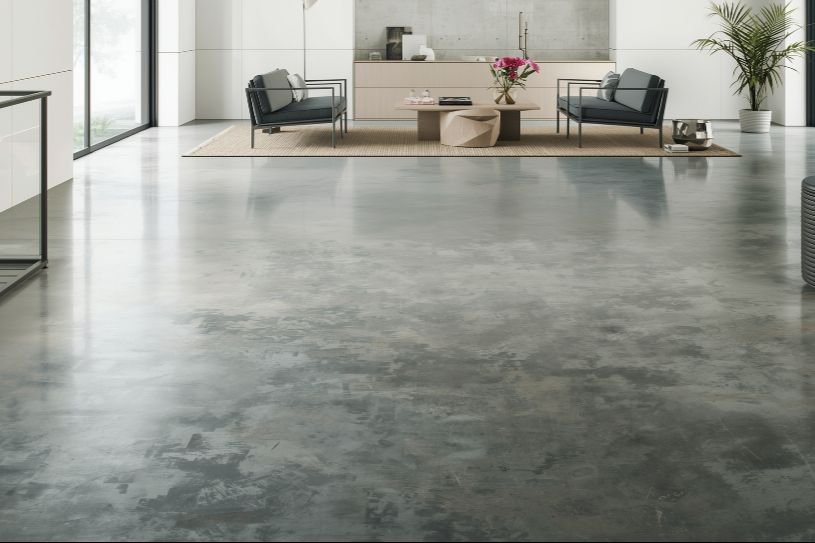
- Textural Balance: Pair smooth concrete walls with woven seagrass rugs and linen drapes to add warmth without clutter.
- Wellness Integration: Built-in meditation nooks with integrated sound systems for ambient nature sounds, or herb gardens in kitchen islands for mindful cooking.
- Earthy Accents: Subtle pops of moss green or terracotta via preserved moss walls or handmade ceramics, evoking wabi-sabi imperfection.
These elements create flow: a living room might feature a low-slung sofa facing a bonsai display, transitioning seamlessly to a bedroom with diffused light filtering through bamboo blinds.
Guest Zen House: Inviting Tranquility for Visitors
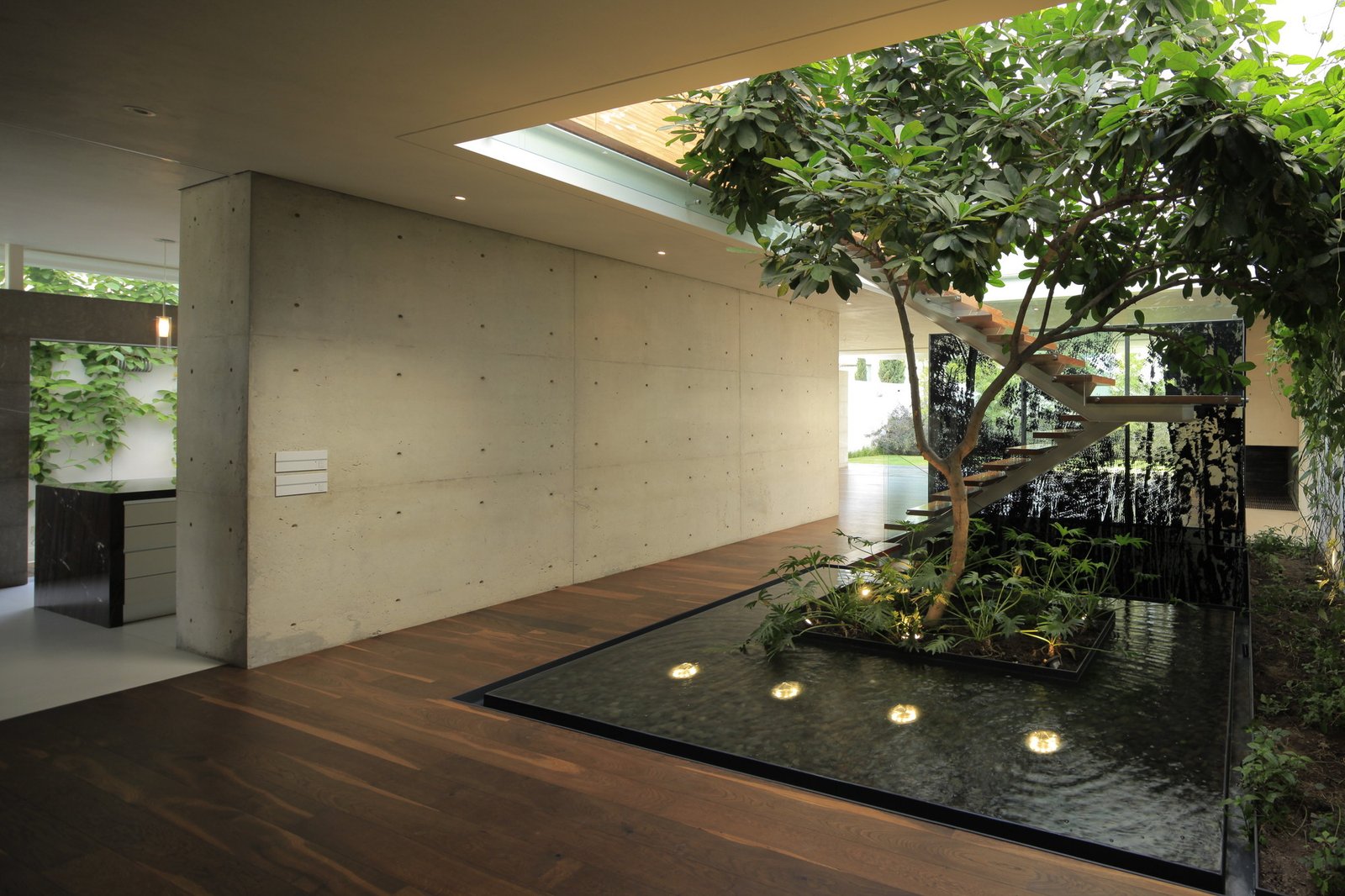
For guest accommodations, a dedicated “guest Zen house” amplifies hospitality with privacy and peace. Consider a compact pavilion with sliding glass walls opening to a private zen garden—raked gravel, a single lantern, and a stone bench for quiet mornings. In Japan, properties like Guest House Zen in Yamanakako exemplify this: a beachfront retreat with tatami-floored family rooms, air-conditioning for comfort, and lake views that invite contemplation. Keep amenities minimal: fresh linens, herbal teas, and a small ofuro soaking tub. This setup ensures guests feel pampered yet unburdened, leaving with renewed energy.
New Otani Executive Zen House and Executive Zen House: Urban Luxury Meets Serenity
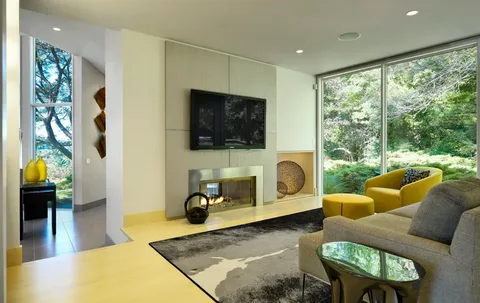
Tucked within Tokyo’s bustling Hotel New Otani, the Executive House Zen (opened in 2007) redefines high-end urban escapes. Spanning the 11th and 12th floors, its 87 rooms embody Zen through minimalist decor—polished wood floors, neutral palettes, and panoramic views of Akasaka Palace gardens. Guests access an exclusive lounge with buffet-style light meals served six times daily, plus complimentary use of The Golden Spa’s gym, pool, and sauna. Subtle Japanese touches like bonsai accents and shoji-inspired partitions create a “hotel-within-a-hotel” sanctuary, blending executive efficiency with spiritual calm. Ideal for business travelers seeking respite, it proves Zen can thrive amid city lights.
Zen House Airbnb: Rentable Retreats Worldwide
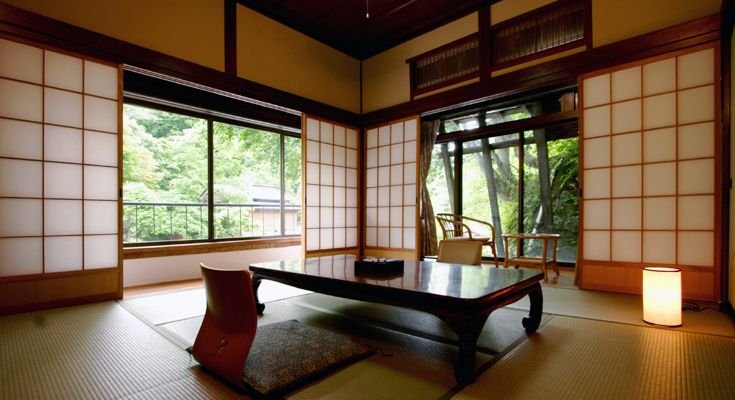
Airbnb has democratized Zen living, offering immersive stays from coastal cabins to desert lofts. Highlights include:
- Zen House on 15 Acres (Sonoma, CA): A secluded wooden retreat amid vineyards, with yoga decks and outdoor showers for nature immersion.
- Experience The Zen House (Livingston Manor, NY): Features a private spa, cold plunge pool, and indoor theater for ultimate unplugging.
- The Zen House with Panoramic Harbor Views (Los Angeles, CA): Oceanfront serenity with low seating and bonsai gardens, perfect for sunset meditations.
- Midcentury Modern ZenHouse Sculptor Studio (Stamford, CT): A historic estate linked to Mount Rushmore’s sculptor, blending mid-century lines with zen rock gardens.
These listings often book for wellness retreats, starting at $150–$400/night, emphasizing no-tech zones and guided mindfulness sessions.
Modern Zen House Design: Fusion of Eras
Contemporary Zen homes merge tradition with innovation, like open-plan layouts with smart glass walls that tint for privacy. In Aspen’s Conundrum Creek Valley, Studio B Architects’ modern zen house uses transparent great rooms to frame mountain views, with water features echoing the nearby river for acoustic tranquility. Sustainability shines through passive solar design and green roofs, reducing energy use by up to 40%.
Spotlight: Innovative Zen-Inspired Projects
Hikari House (Bandung, Indonesia)
Designed by Pranala Associates, Hikari House (“House of Light”) blurs indoor-outdoor boundaries with exposed concrete, ulin wood, and steel accents for low-maintenance tropical zen. Terraces at eye level connect living spaces to gardens, fostering synergy between public and private areas. Natural light floods through strategic openings, embodying shizen (naturalness).
Binh House (Ho Chi Minh City, Vietnam)
Vo Trong Nghia Architects’ “House for Trees” prototype stacks verdant terraces within concrete frames, creating microclimates for a three-generation family. Curved blocks maximize ventilation and greenery, countering urban density with lush, sustainable calm—ideal for humid climates.
Collage House (Navi Mumbai, India)
S+PS Architects’ upcycled gem recycles demolished windows and doors into a textured facade, weaving urban history into zen simplicity. This “poetic amalgamation” promotes recycling as mindfulness, with open interiors that honor imperfection.
The House with the Gabion (Lonavala, India)
Spasm Design’s lakeside haven anchors a 170-foot gabion spine—stone-filled wire baskets—for rustic fortitude. Overgrown and ruinous, it evokes timeless zen, with verandahs overlooking Pawna Lake and rainwater harvesting for eco-harmony.
Dr. Funk Holiday House (Pinnower See, Germany)
Kessler Plescher Architekten revived this 1958 thatched cottage into a lakeside gathering spot, with light green expanses framing water views. A central column nods to the original layout, blending nostalgia with open, tranquil spaces for family rituals.
Bringing Zen Home: Your Next Steps
Zen house design isn’t about perfection—it’s about presence. Start small: clear one shelf, add a plant, or meditate by a window. As these examples show, from Airbnbs to architectural icons, Zen adapts to any scale, inviting you to live intentionally. In a world of excess, a Zen home whispers: less is profoundly more.