
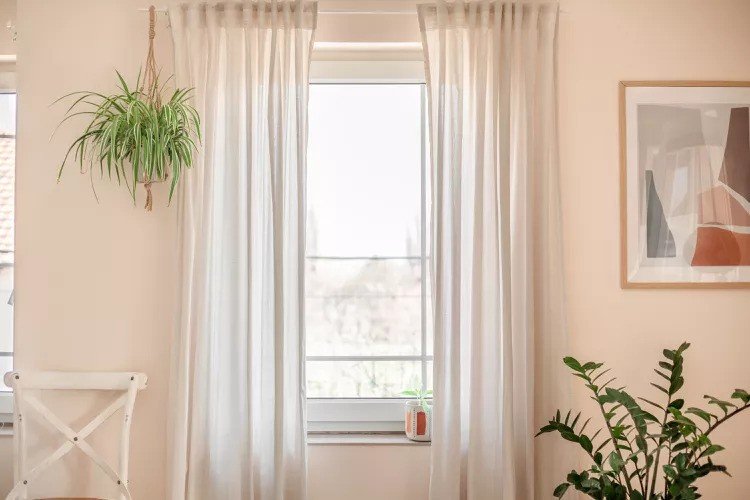
Curtains can change the way a room looks and feels. But with so many options—like sizes, fabrics, styles, ways to hang them, and the right hardware—it can get confusing.
This simple guide will help you understand everything you need to know, making it easier to choose the right curtains.
Curtain Style Considerations
Your living room is likely the most used and most visible space in your home, so choosing the right curtains—both in looks and purpose—is important. Here are a few things to think about before you begin:
Here are some simple questions to help you choose the right curtains for your living room:
- Are the curtains just for decoration, or do you need them to block light or add privacy?
- Do you have several windows and need to stay within a budget?
- Is there a large window that stands out and might be worth spending a little extra on?
- Do you want curtains that let in light to keep the room bright and open?
- Do you often watch movies in the living room and need blackout curtains to darken the space?
Answering these practical questions will help you focus your choices.
If the curtains are just for decoration, the type of fabric doesn’t impact light control, so you can simply choose based on style—whether it’s heavy velvet or light linen.
But if managing light and keeping the room bright is important, then choosing the right fabric becomes a key factor.
If your living room has several windows, it’s important to create a consistent look. Using the same curtains and curtain rods for each window—and hanging them all at the same height—will help everything look neat and coordinated.
Curtains do more than just control light. They’re a great way to add texture, color, and patterns to a plain room, draw attention to beautiful windows, and make the space feel warmer and more inviting.
Two options to consider when purchasing curtains:
Custom window treatments: These are made to fit your exact window measurements, so they look perfect and tailored. However, they tend to be the most expensive option.
Ready-made window treatments: These are more budget-friendly and come in standard lengths—63″, 84″, 95″, 108″, and 120″. They may not be a perfect fit, but they’re easier to find and more affordable.

How to Choose Length of Curtains
One of the most important things to think about when choosing curtains is the length. If curtains are too short, they can make the room feel smaller and unbalanced. If they’re too long, they might look untidy. That’s why it’s a good idea to measure your window and the height from floor to ceiling before you buy.
To find the right curtain length, place your curtain rod a few inches above the window, then measure from the top of the rod down to the floor. If your measurement is off by an inch or so from a standard curtain size, you can adjust the rod’s height slightly to make it work.
Next, measure the width of your window to decide how many curtain panels you’ll need. A standard curtain panel is about 54 inches wide. To make sure your curtains frame the window nicely without blocking too much light, add at least 12 inches to each side of the window when placing the curtain rod. This extra space also helps the curtains hang more naturally. Depending on the width, you might need one or two panels on each side.

Length Styles
When it comes to how the curtains should hit the floor, there are three length styles to choose from:
Hover
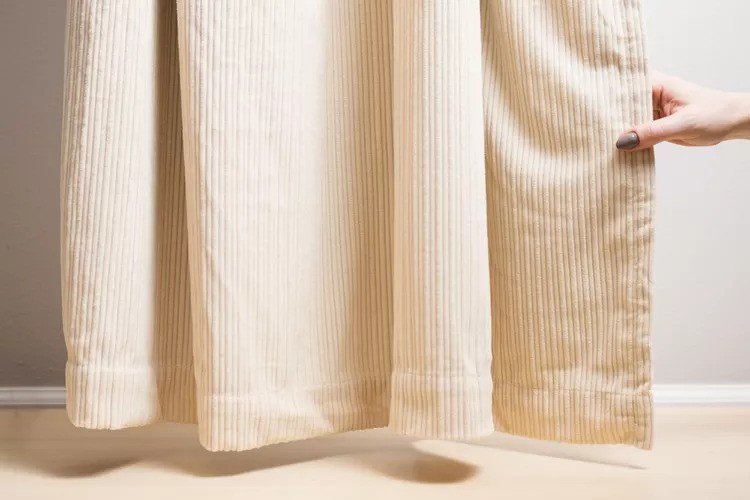
This means the curtains hang just above the floor. This is the most popular way to hang floor-length curtains because it looks neat and elegant, and makes it easy to open and close them.
Break
Designers call it a “one-inch break” when the curtains are one inch longer than the floor, so they gently rest or fold on the ground. This style gives a luxurious, designer look without feeling too stiff or formal.
Puddle
Choose the “puddle” style if you want a relaxed, romantic, and soft look. This means the curtains have up to six extra inches of fabric pooling on the floor. With light, soft fabrics, a puddle creates a cozy feeling. With thicker, bold-colored curtains, it adds drama and a touch of elegance to your room.
Choose the Curtain Fabric
Curtains come in many fabrics, from rich velvet to casual linen. When picking fabric, think about two things: the style you want and how the curtains will be used. For example, sheer curtains aren’t a good choice if you want to block bright morning sunlight or make the room darker for watching movies in the summer.
Room Darkening Curtains
If you want curtains that block morning light and help control the room’s temperature, heavier fabrics like velvet are a great option. For complete darkness, blackout curtains have a special lining that blocks out sunlight, making them perfect for keeping the room dark.
Light Filtering Curtains
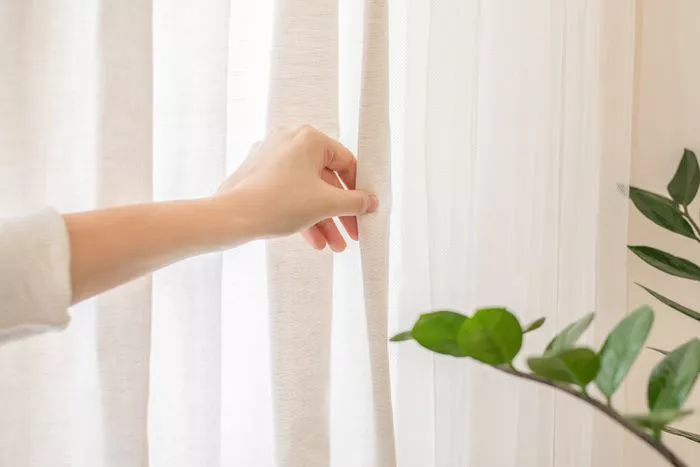
If you want curtains that let in lots of natural light, go for thin, light fabrics like cotton or sheer polyester. Lace curtains are a great example of light-filtering curtains, especially for smaller windows.
Pick the Hardware
If you haven’t chosen your curtain rod yet, keep in mind it’s not just a practical tool—your curtain rod can also add style and make your windows look more polished and attractive.
Curtain rods can be extended to fit different window sizes. To find the right length, measure your window’s width and then add about 12 inches (a foot) on each side. This extra space gives your curtains room to hang nicely without blocking the window.
Curtain rods come in different styles. You can get a single rod or a double rod if you want to hang thick curtains with sheer ones behind. They are made from many materials like wood, brass, iron, and brushed nickel. The finials are the decorative caps at the ends of the rod, and they help set the style. You can find finials in fancy, traditional shapes or simple, modern designs.
Layer Window Treatments
If your windows already have treatments like Roman shades or bamboo blinds, you can still add curtains. This will add layers, making your windows look more interesting and giving the room more depth.
For a timeless, light, and airy feel, pair white cotton or linen curtains with wooden blinds. When layering two types of window treatments, keep colors, patterns, and textures simple to avoid making the windows look too busy or distracting from the rest of the room.
FAQ
Here’s a simple guide to help with living room curtains:
Which type of curtain is best for the living room?
Velvet is a popular choice because it feels rich and heavy, giving the room structure. But if you want to let in lots of light, lighter fabrics like sheer curtains work better.
What should my living room curtains match with?
Curtains don’t have to match your walls, carpet, or furniture exactly. They should either blend in smoothly or provide a nice contrast. Some people pick bold colors or patterns to add extra interest or create a new focal point in the room.
Should curtains be lighter or darker than the couch?
There’s no strict rule. If your couch is dark and you want a cozy feel, choose dark curtains too. But if you want to brighten the room or create contrast, lighter curtains work well with a dark couch.
How do I choose a curtain color for my living room?
First, decide on your paint, rugs, and furniture colors. Then choose curtains that either blend with those colors or stand out by using contrasting shades.