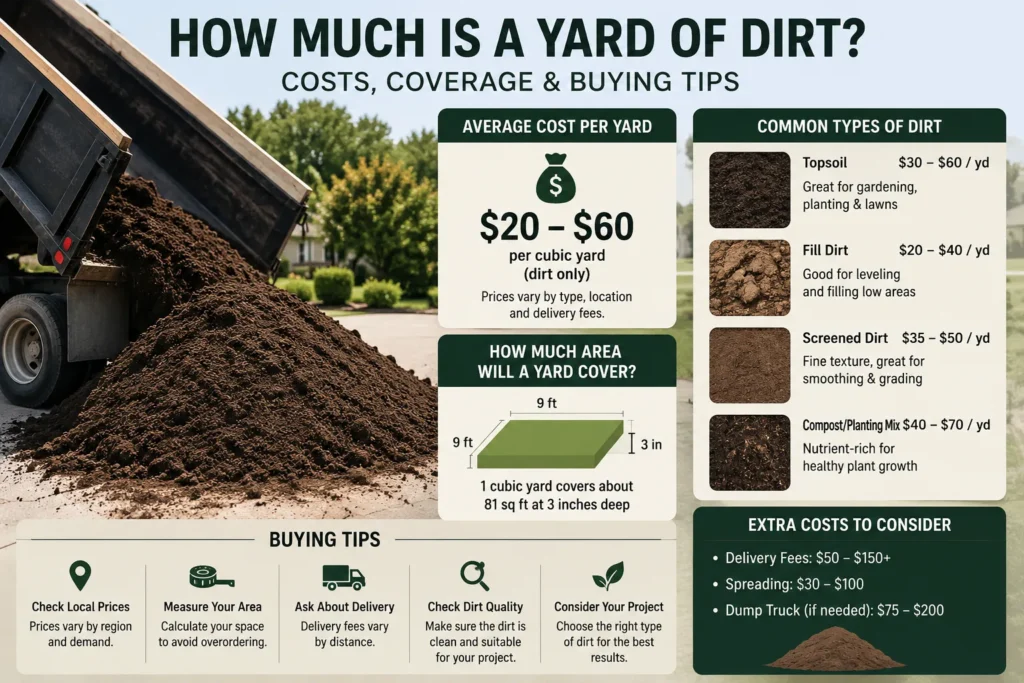
When people ask, “how much is a yard of dirt?” they usually mean two things. First, they want to know the price. Second, they want to know how much dirt they are actually getting. That is a smart question, because a yard of dirt can look small in your mind but very big when a truck drops it in your driveway.
Imagine you are fixing a low spot in your lawn. Every time it rains, water sits there like a small muddy pond. You decide to buy dirt. You call a local landscape supplier, and they say, “We sell it by the cubic yard.” Now you may wonder, “What does that even mean?” A cubic yard is not just a normal yard like a yardstick. It is a big box of space that measures 3 feet wide, 3 feet long, and 3 feet deep. That makes 27 cubic feet of dirt.
In simple words, one yard of dirt is a big scoop. It is usually enough for a small lawn repair, a thin garden layer, or filling a few low spots. But the cost depends on what kind of dirt you buy.
So, How Much Does a Yard of Dirt Cost?
A yard of dirt usually costs about $5 to $55 for the material alone. The cheaper end is normally fill dirt, and the higher end is usually topsoil, screened soil, compost mix, or planting soil. HomeGuide lists fill dirt around $5 to $25 per cubic yard and topsoil around $10 to $50 per cubic yard. HomeAdvisor gives a similar range, with fill dirt around $5 to $30 and topsoil around $12 to $55 per cubic yard.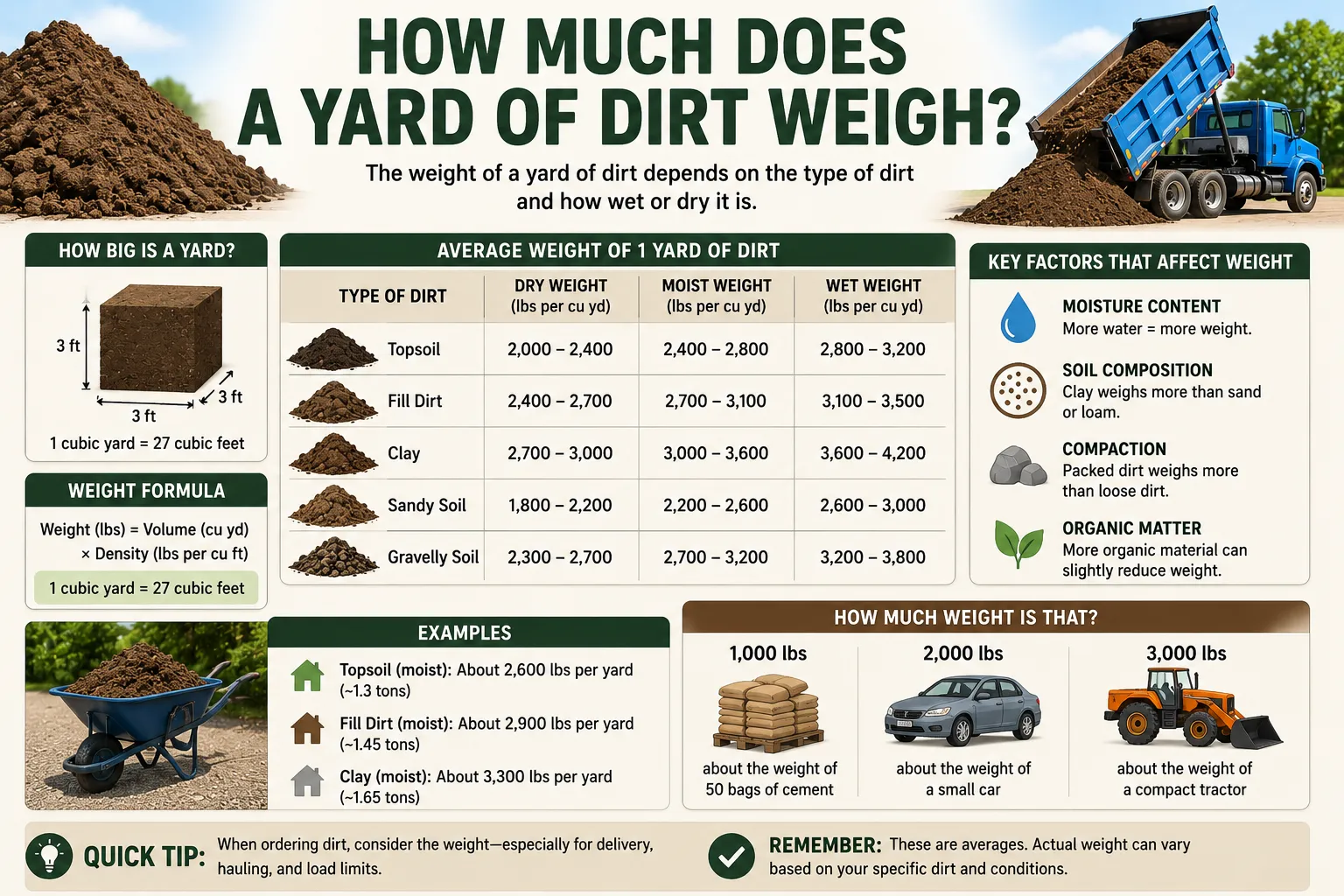
Angi’s 2026 topsoil cost guide says topsoil commonly ranges from $10 to $55 per cubic yard, with many homeowners spending closer to $15 to $30 depending on the project. Delivery and labor can raise the final bill, especially when the truck has to travel far or the dirt must be spread by workers.
So the easy answer is this: if you only need basic dirt to fill a hole, expect a lower price. If you need better soil for grass, flowers, or a garden, expect to pay more.
Why One Yard of Dirt Can Have Different Prices
Not all dirt is the same. Some dirt is just for filling space. Some dirt is made for growing plants. Some dirt is screened, which means it has been passed through a screen to remove bigger rocks, sticks, and clumps. Screened dirt is usually cleaner and easier to spread, so it often costs more.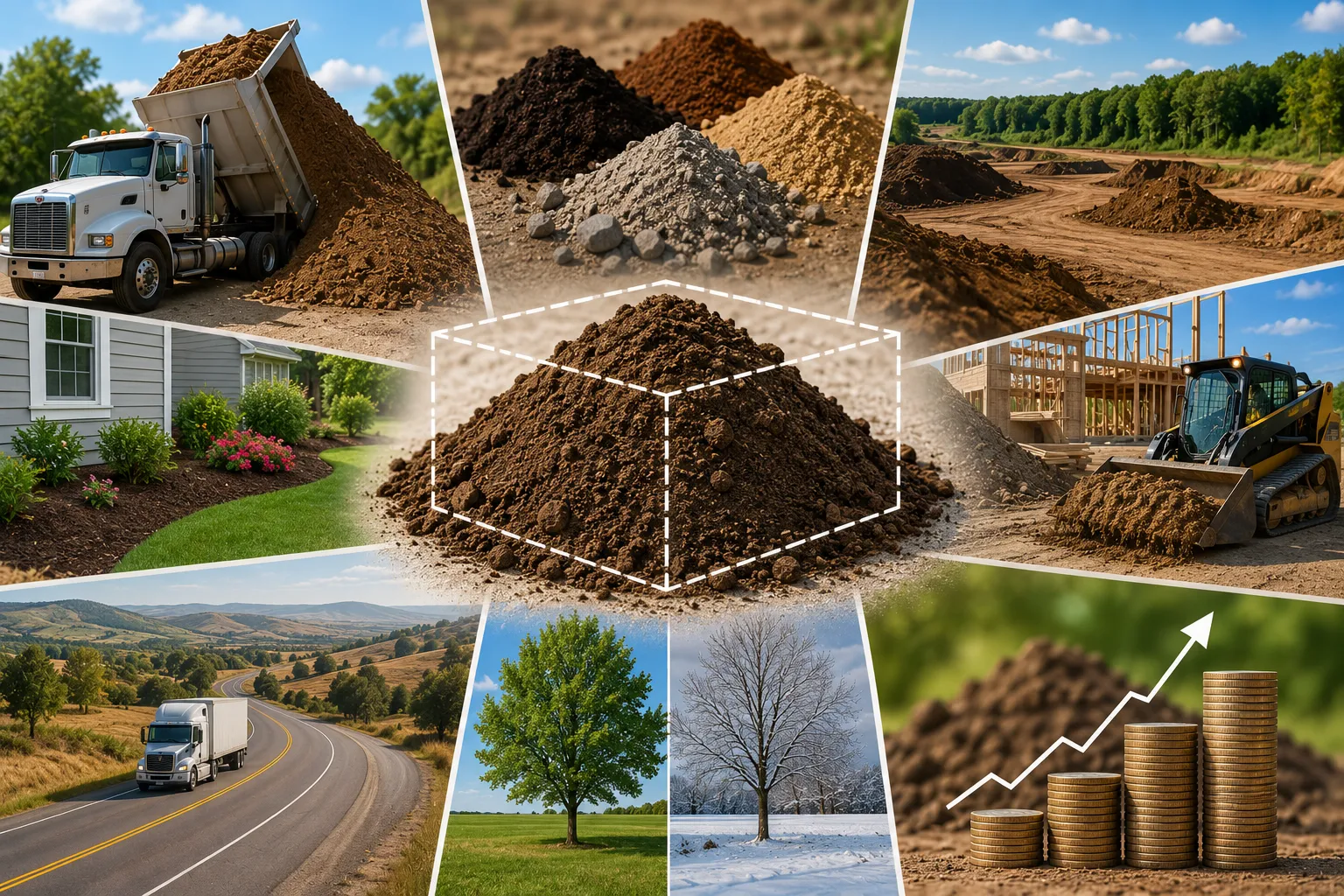
Fill dirt is usually used under the surface. It can help level land, fill holes, raise a low area, or support a landscaping project. It normally has less organic matter, so it is not the best choice for growing plants. LawnLove says fill dirt costs less because it has fewer nutrients and organic materials than topsoil.
Topsoil is different. It is the upper layer of soil where grass, flowers, shrubs, and vegetables grow. It usually has more organic matter and nutrients than fill dirt. The Spruce explains that topsoil is better for planting, while fill dirt is better for building up or leveling an area.
This is why a homeowner may use fill dirt first, then place topsoil on top. It is like making a sandwich. The fill dirt is the thick base, and the topsoil is the good growing layer on top.
How Big Is One Yard of Dirt?
One yard of dirt equals 27 cubic feet. That sounds like math, but it is easy. Think of a cube. The cube is 3 feet wide, 3 feet long, and 3 feet tall. When you multiply 3 × 3 × 3, you get 27 cubic feet.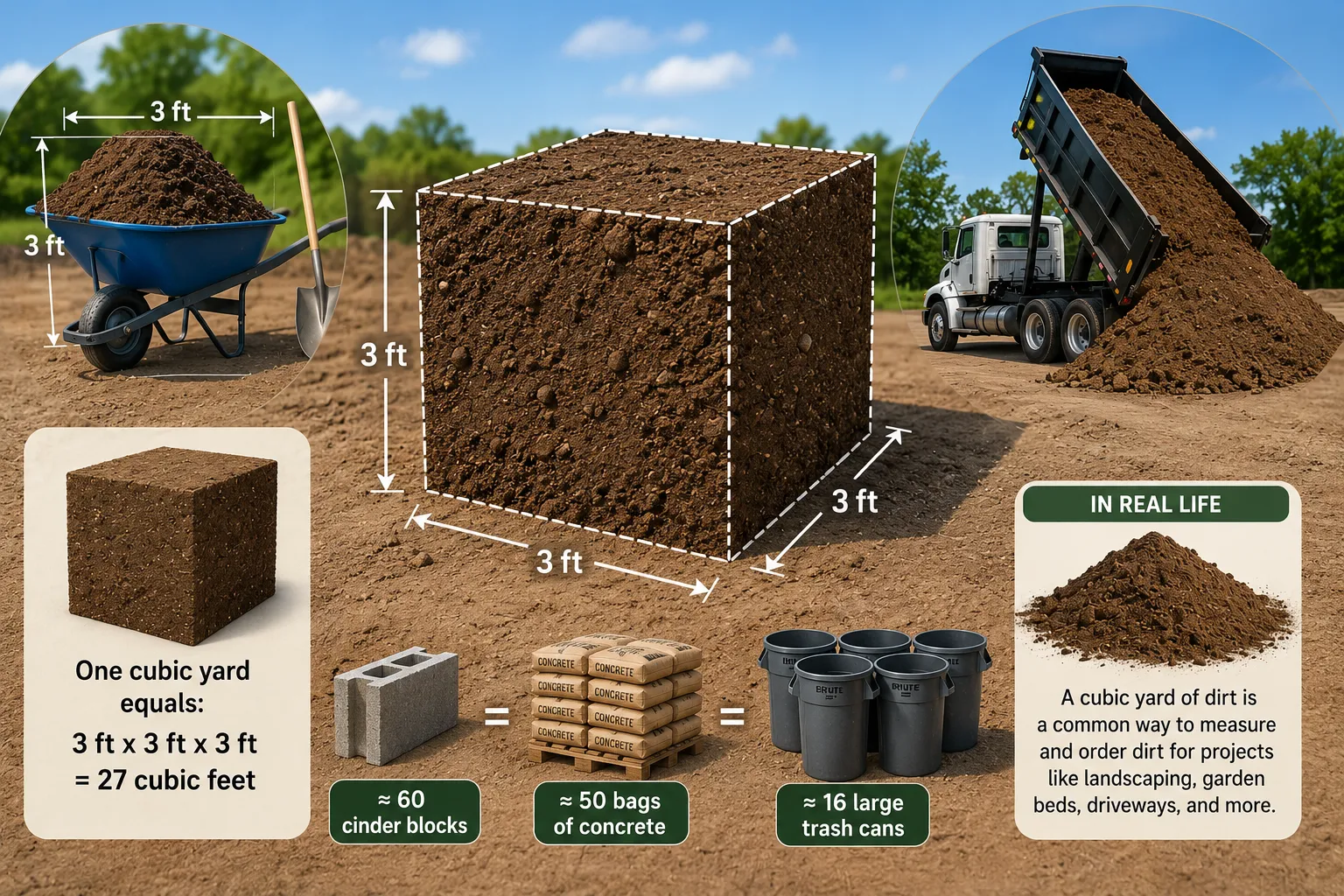
Now imagine that cube broken apart and spread over your yard. If you spread one cubic yard of soil 3 inches deep, it can cover about 100 square feet. That is around the size of a small 10-foot by 10-foot area. The Spruce and HomeAdvisor both give similar coverage guidance, with one cubic yard covering about 100 square feet at around 3 inches deep.
If you spread the same yard thinner, it covers more space. If you spread it thicker, it covers less space. This is where many people make mistakes. They think one yard of dirt will cover a huge lawn, but it may only cover a small area if the layer is deep.
Simple Dirt Math for Beginners
Let’s say your backyard has a small bare patch. The patch is 10 feet long and 10 feet wide. That is 100 square feet. You want to add 3 inches of topsoil before planting grass seed. Three inches is one-quarter of a foot, or 0.25 feet.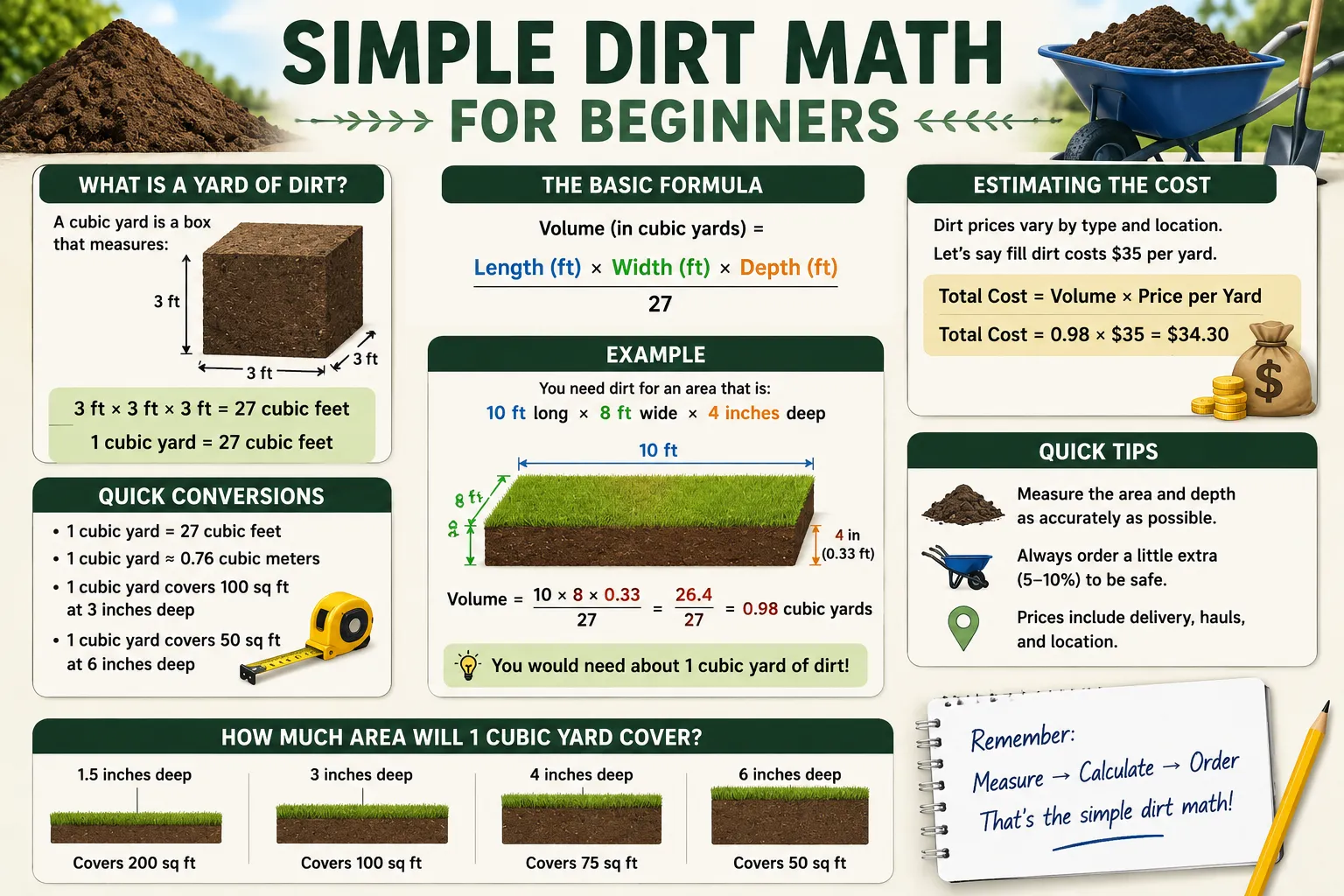
So the math is 10 × 10 × 0.25. That gives you 25 cubic feet. Then you divide by 27 because one cubic yard has 27 cubic feet. That means you need almost 1 cubic yard of dirt.
HomeAdvisor uses the same basic idea: measure length and width, multiply by depth, then divide by 27 to turn cubic feet into cubic yards.
This is the simplest way to avoid buying too little or too much. Too little dirt means you may need a second delivery. Too much dirt means you may have a big pile left in your driveway.
How Much Does a Yard of Dirt Weigh?
A yard of dirt is heavy. Very heavy. A dry cubic yard of topsoil can weigh up to about 2,000 pounds, and a wet cubic yard can weigh up to about 3,000 pounds. Moisture makes soil much heavier, so dirt after rain can weigh far more than dry dirt.
This matters because many people think they can bring dirt home in a small car or small trailer. That can be unsafe and can damage the vehicle. If you are buying bulk soil, it is usually better to ask the supplier about delivery or make sure your truck is rated to carry the load.
Fill Dirt vs Topsoil: Which One Should You Buy?
If your job is to fill a deep hole, raise a low area, improve grading, or build the shape of the land, fill dirt is usually the better choice. It is cheaper and more stable for filling space. It does not break down as much as soil with lots of organic matter.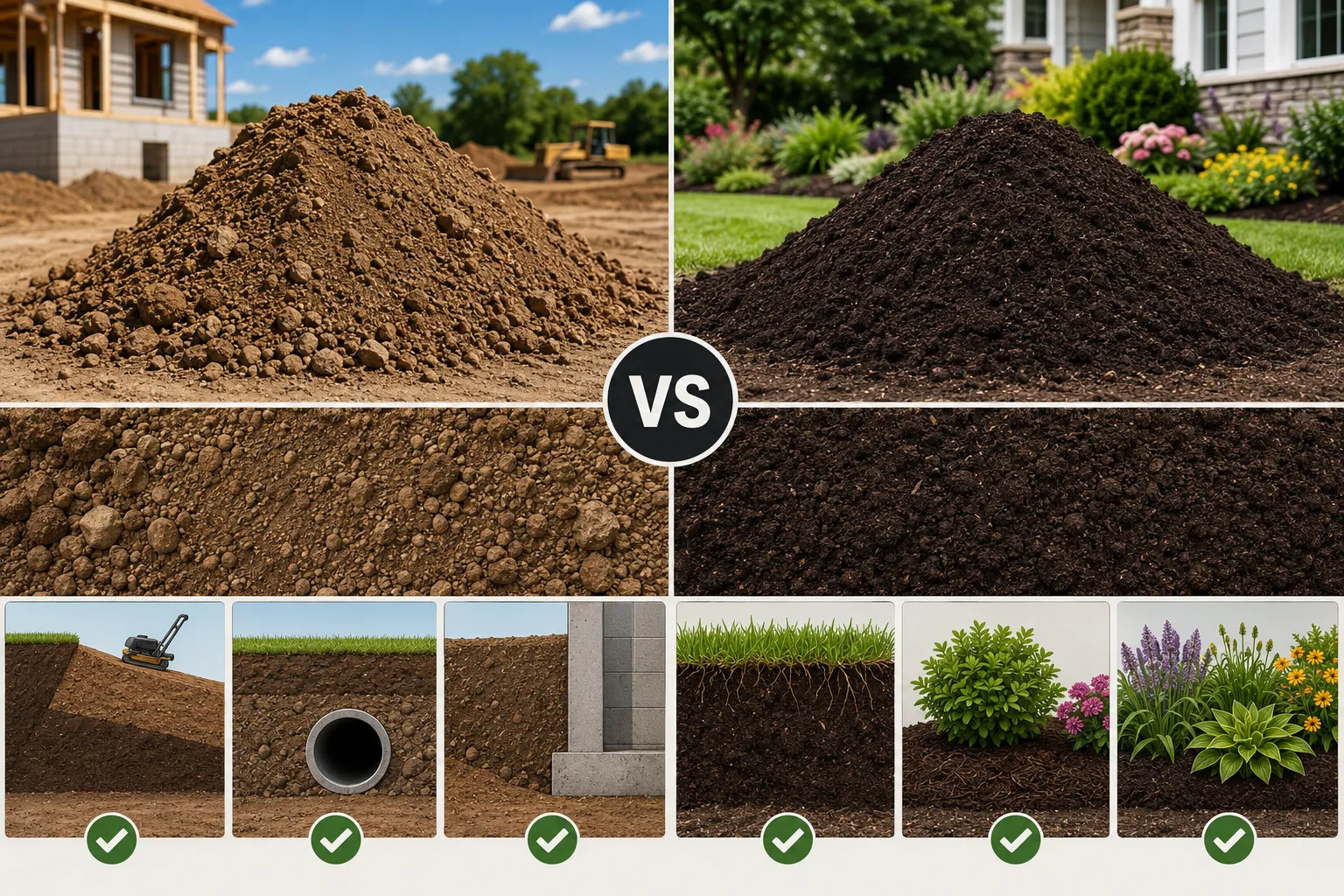
If your job is to grow grass, start a garden bed, plant flowers, or improve the top layer of your lawn, topsoil is usually better. It gives roots a better place to grow. The Spruce explains that fill dirt is best for filling and leveling, while topsoil is best for planting because it has more minerals and nutrients for plants.
A good practical example is a deep hole in the yard. You would not want to fill the whole hole with expensive garden soil. That would cost too much. Instead, you could use fill dirt for most of the hole, then add several inches of topsoil on top so grass can grow.
Delivery Can Change the Final Price
The price of dirt is not always just the price of dirt. Delivery can change the total. HomeGuide says delivery charges can range around $50 to $150 per trip, depending on volume, distance, and access. Angi also notes that delivery fees can add around $50 to $150 per trip, and labor can add more if workers spread the soil.
This means one yard of dirt may look cheap at first. But if the supplier has a delivery minimum, your final cost may be higher. Some companies may not deliver only one yard. Others may deliver it but charge a flat delivery fee.
This is why it helps to ask three simple questions before ordering. Ask what the dirt costs per cubic yard. Ask what delivery costs. Ask if there is a minimum order. These three answers will tell you the real price.
Is Bagged Dirt Cheaper Than Bulk Dirt?
For tiny jobs, bagged dirt can be easier. If you only need to fill a few flower pots or patch a very small spot, bags from a garden center may work fine. But for bigger lawn or garden projects, bulk dirt is often more cost-effective.
The Spruce explains that bagged topsoil may work for amending an existing bed, but starting a new lawn or garden bed is usually more cost-effective with bulk material. It also notes that topsoil is commonly sold by the cubic yard when bought by scoop or truckload.
HomeGuide also says bagged topsoil can cost more per cubic yard compared with bulk topsoil, making bags better for small areas rather than big projects.
So the rule is simple. Small job, bags are okay. Big job, bulk is usually better.
Be Careful: Topsoil Is Not Always Good Soil
Many people think dark soil is always good soil. That is not always true. Michigan State University Extension says there is no regulated definition for the word topsoil, so buyers should inspect the product before buying, especially when buying in bulk. It also warns that very black soil is not always the best soil because color alone does not prove quality.
University of Maryland Extension gives similar advice for bulk topsoil. It says buyers should use a reputable nursery or topsoil dealer, ask about soil test results and soil origin, and examine the soil before delivery. Good topsoil should be dark, crumbly, and have an earthy smell. Soil that smells bad, feels too sticky, looks grayish, or has too much sand or clay may be a poor choice.
This is important because cheap dirt can become expensive if it brings weeds, rocks, poor drainage, or bad texture into your yard.
What Affects the Cost of a Yard of Dirt?
Location affects price. Dirt in one city may not cost the same as dirt in another city. Delivery distance matters too. A supplier five miles away may be cheaper than one thirty miles away.
Soil type also changes price. Plain fill dirt is usually cheaper. Screened topsoil, black dirt, loam, compost mix, and planting soil usually cost more. Angi lists different topsoil types such as unscreened loam, black dirt, screened loam, organic compost, mushroom compost, planting soil, landscape mix, and super loam, with prices changing by type and quality.
The amount you buy matters as well. Many suppliers give a better price per yard when you order more. But ordering more than you need is not always smart, because leftover dirt can be hard to move.
Final Answer: How Much Is a Yard of Dirt?
A yard of dirt usually costs around $5 to $55 for the material, depending on whether you buy fill dirt, topsoil, screened soil, or a richer garden mix. Fill dirt is normally cheaper and is best for filling holes or leveling land. Topsoil costs more and is better for grass, gardens, and planting areas. Delivery can add more to the final price, often around $50 to $150 per trip depending on the supplier, distance, and access.
One cubic yard is 27 cubic feet. It can cover about 100 square feet when spread about 3 inches deep. It can weigh around 2,000 pounds when dry and up to around 3,000 pounds when wet.
So before you order, measure your space, choose the right dirt, check delivery fees, and look at the soil quality. That little bit of care can save money, time, and a lot of muddy trouble later.