Concrete flooring has emerged as one of the most versatile and stylish options for modern interiors. Once considered a purely functional material, concrete is now celebrated for its aesthetic potential, durability, and adaptability. With an array of finishing techniques, concrete floors can transform any space – residential or commercial – into a sleek, contemporary environment. This guide explores the top 10 concrete floor finishes for modern spaces in 2026, highlighting their characteristics, design potential, and practical benefits.
-
Polished Concrete
Definition & Technique:
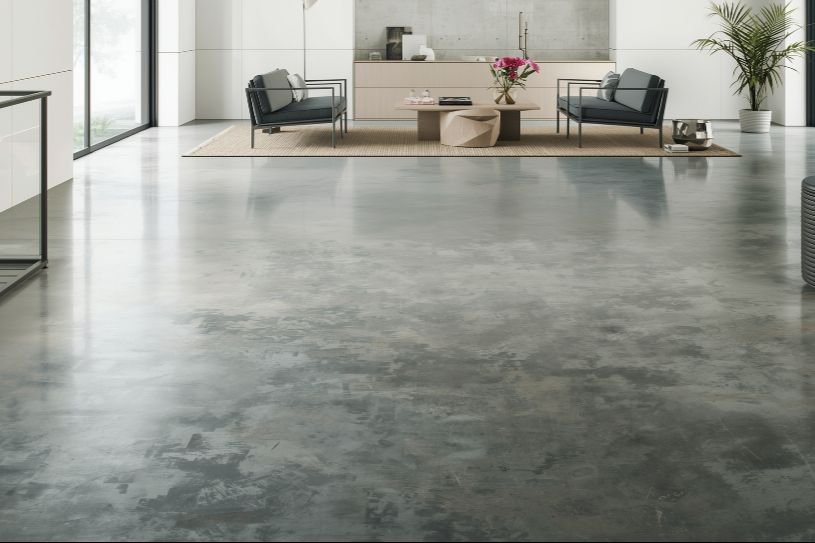
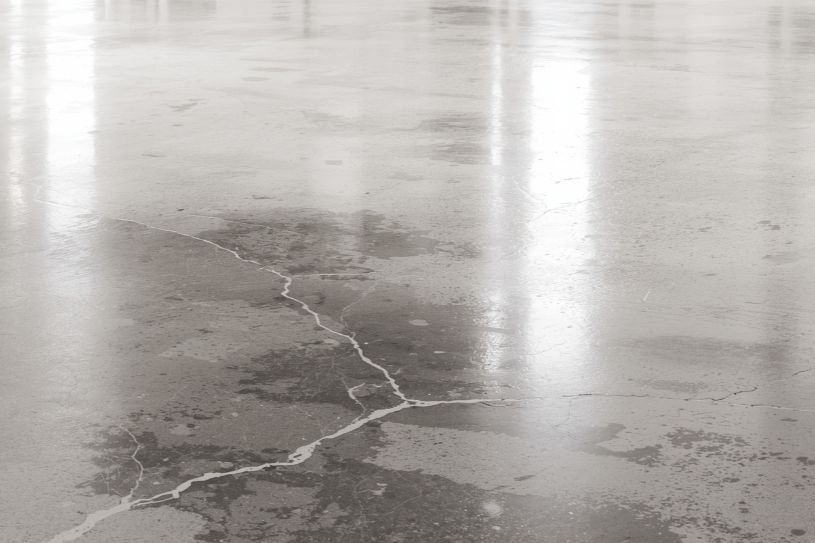
Polished concrete is achieved by mechanically grinding the concrete surface using progressively finer abrasives. This process removes surface imperfections and creates a reflective, glossy finish that enhances the floor’s visual appeal. Modern polishing techniques allow for varying levels of sheen, from matte to high-gloss finishes.
Aesthetic & Use:
Polished concrete is a go-to for modern homes, offices, retail spaces, and showrooms. Its reflective quality enhances natural light, creating a sense of openness and brightness. It also complements minimalist and industrial interior designs perfectly.
Performance & Maintenance:
This finish is highly durable and resistant to heavy foot traffic, making it ideal for both residential and commercial applications. When properly sealed, polished concrete resists stains and spills and requires minimal maintenance – usually only regular sweeping and occasional damp mopping. Over time, the polish can be refreshed to maintain its shine.
Design Tip:
Experiment with different sheen levels and colored sealers to create subtle variations and depth. Incorporating decorative aggregates or inlays during polishing can add a unique, luxurious touch.
-
Acid-Stained Concrete
Definition & Technique:
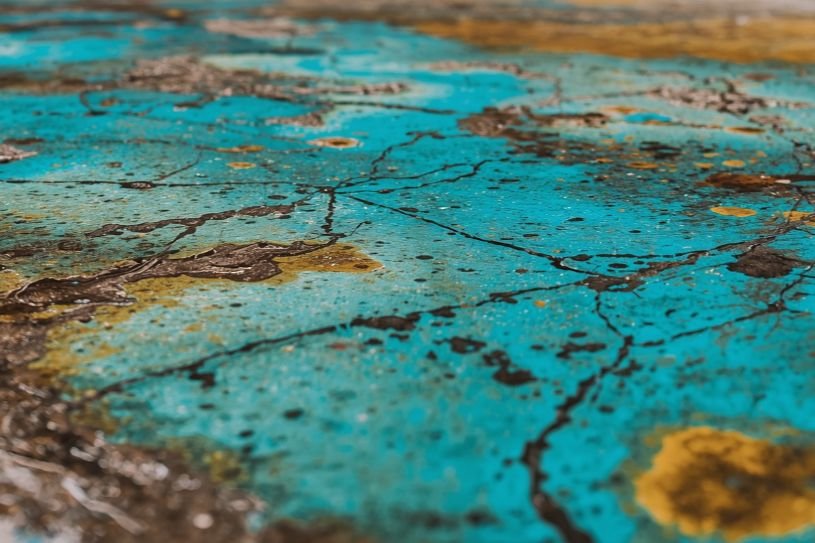
Acid-stained concrete involves applying a chemical stain that reacts with the minerals in the concrete to produce a marbled, translucent coloration. This method penetrates the concrete surface and creates rich, natural patterns.
Aesthetic & Use:
Acid staining gives floors an organic, stone-like appearance with variations in color and depth. It works well in modern kitchens, living areas, commercial lobbies, and artistic spaces where a unique, high-end look is desired.
Performance & Maintenance:
The stain becomes part of the concrete itself, providing long-lasting color that doesn’t peel or chip like paint. A sealer is applied afterward to protect the floor and enhance its visual depth. Periodic resealing may be needed, but overall maintenance is low.
Design Tip:
Combine acid stains with concrete etching or overlays to create multi-layered, custom designs. Subtle earth tones are popular for contemporary interiors, while vibrant hues can be used for artistic statement floors.
-
Water-Based Stained Concrete
Definition & Technique:
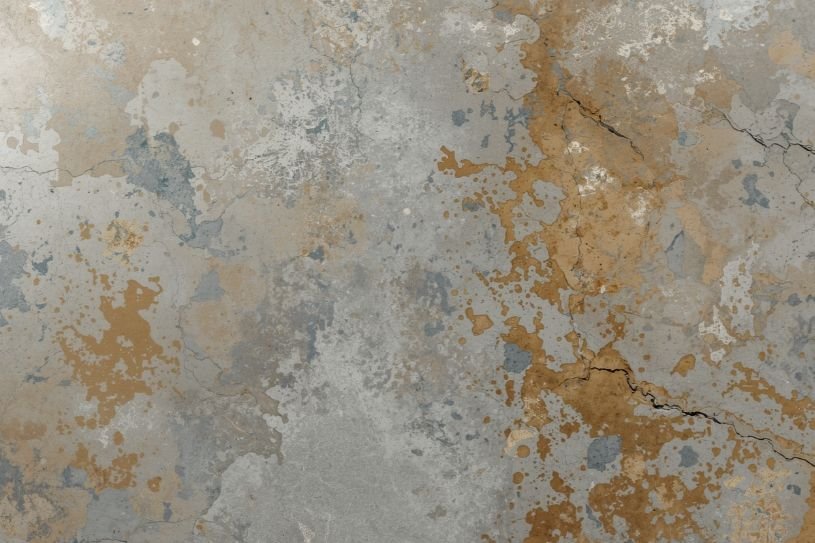
Water-based stains are a modern alternative to acid stains. These stains penetrate the concrete surface to provide consistent, predictable color without chemical reactions. They are available in a broad palette of vibrant and muted tones.
Aesthetic & Use:
This finish is ideal for designers and homeowners who want precise, uniform color for modern interiors. It is frequently used in living rooms, commercial spaces, and creative offices where clean, consistent color is key.
Performance & Maintenance:
Water-based stains are highly stable and retain color over time. Once sealed, they resist fading, moisture, and light staining. Routine cleaning is simple, involving sweeping and mopping with non-abrasive cleaners.
Design Tip:
Pair water-based stains with a polished or sealed concrete surface for a high-end look. Layering multiple colors can create marbled effects or custom patterns for unique flooring designs.
-
Sealed Concrete
Definition & Technique:
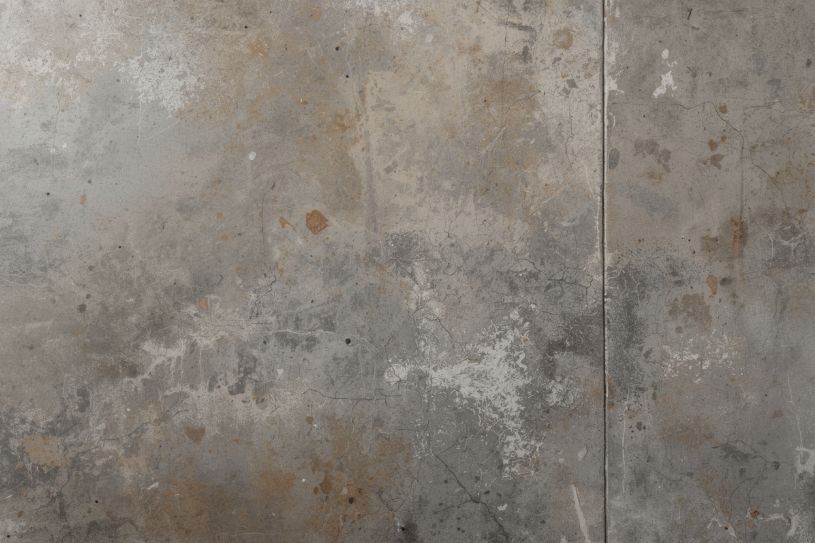
Sealed concrete involves applying a clear coating over raw concrete to protect it from stains, moisture, and wear while enhancing its natural texture and color.
Aesthetic & Use:
Sealed concrete retains the raw, natural appearance of concrete, or it can add a subtle sheen depending on the type of sealer. It is suitable for modern minimalist interiors where a clean, understated floor is desired.
Performance & Maintenance:
Sealers protect the concrete from daily wear, spills, and moisture penetration. Over time, the sealer may need to be reapplied every few years to maintain its protective qualities and appearance. Sealed concrete is easy to maintain with regular sweeping and damp mopping.
Design Tip:
Choose matte sealers for a subtle, industrial look, or glossy sealers to enhance light reflection and visual appeal. Colored sealers can also be used to subtly tint the floor.
-
Epoxy Coatings
Definition & Technique:
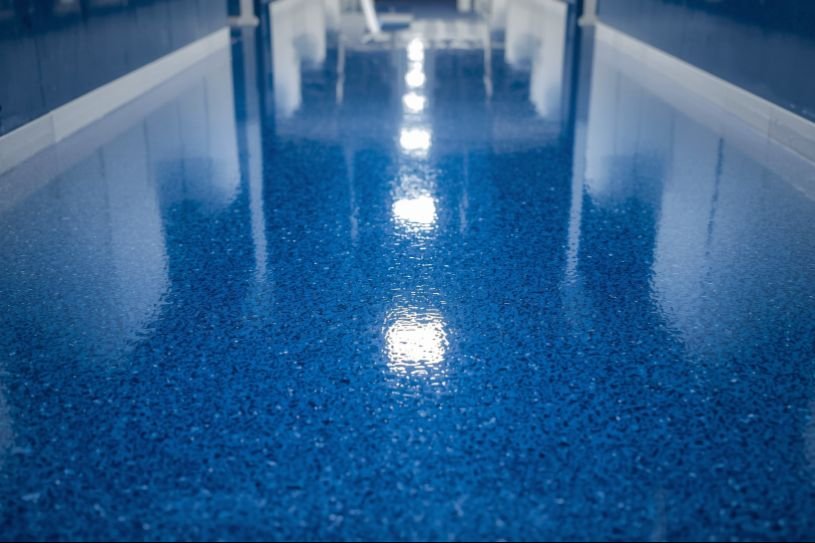
Epoxy coatings are a two-part resin applied over concrete to create a seamless, durable, and visually striking finish. They bond chemically with the concrete, forming a smooth and hard surface.
Aesthetic & Use:
Epoxy can be customized with a wide range of colors, metallic effects, or decorative flakes, making it perfect for garages, modern kitchens, industrial spaces, and commercial interiors. The seamless surface also creates a futuristic, polished look suitable for contemporary design.
Performance & Maintenance:
Epoxy coatings are highly durable, resistant to chemicals, moisture, and abrasion. Cleaning is straightforward, typically involving sweeping and occasional mopping. The surface may require touch-ups over time in high-traffic areas.
Design Tip:
Metallic epoxy finishes can mimic natural stone or create reflective, flowing patterns, adding a luxurious touch to modern spaces. Anti-slip additives can be incorporated for safety.
-
Exposed Aggregate
Definition & Technique:
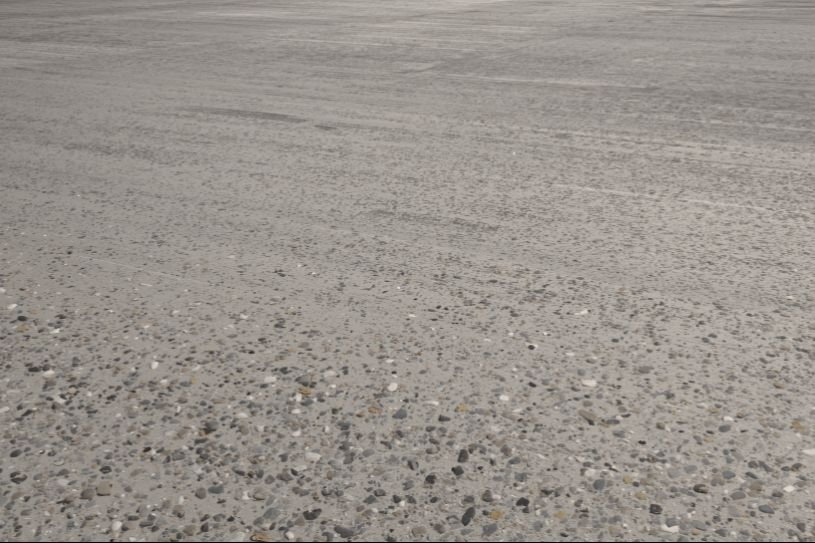
Exposed aggregate flooring is created by grinding the surface of concrete to reveal decorative stones or pebbles embedded within. The result is a textured, visually striking finish.
Aesthetic & Use:
This finish provides natural variation and depth, ideal for high-end modern interiors, outdoor patios, or commercial entryways. It works well where a unique, artistic floor is desired.
Performance & Maintenance:
Exposed aggregate is durable and slip-resistant, making it suitable for both indoor and outdoor applications. However, the textured surface may require more thorough cleaning to remove debris trapped between aggregates.
Design Tip:
Select aggregates of different sizes and colors to create customized patterns. Polishing the surface slightly can balance texture and smoothness for indoor use.
-
Brushed (Broom) Finish
Definition & Technique:
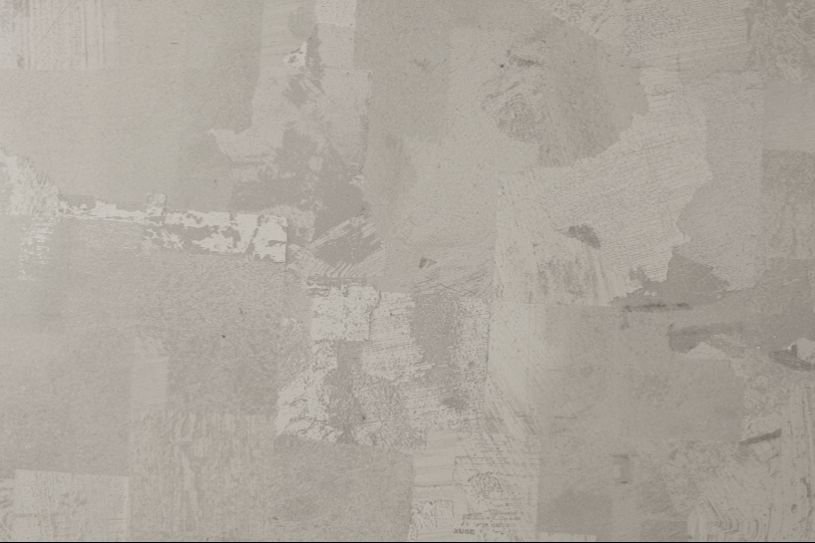
A broom is dragged across freshly poured concrete to create subtle linear textures.
Aesthetic & Use:
Brushed finishes provide visual interest and slip resistance, making them ideal for transitional areas like patios, sunrooms, or entryways. They also suit minimalist and modern industrial designs.
Performance & Maintenance:
This simple and cost-effective finish is durable and low-maintenance. Regular sweeping and occasional washing are usually sufficient.
Design Tip:
Experiment with directional brushing patterns to create movement and guide the eye across a room. Brushed finishes can also be combined with stains or sealers for added color and protection.
-
Stamped Concrete
Definition & Technique:
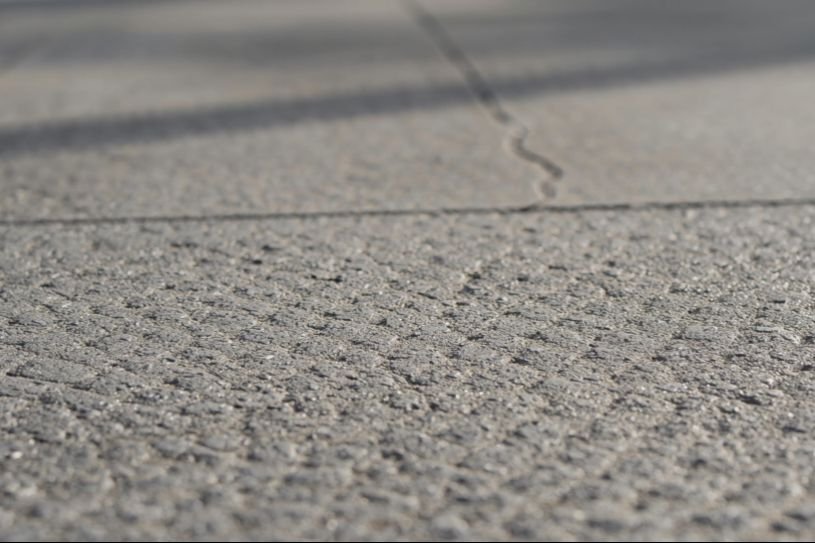
Stamped concrete involves pressing patterns or textures – such as tile, stone, or wood – into fresh concrete using molds. It can also be colored or stained for enhanced effect.
Aesthetic & Use:
This technique creates the appearance of premium materials at a fraction of the cost. It is commonly used for patios, pool decks, commercial floors, and contemporary interiors.
Performance & Maintenance:
Stamped concrete is durable and versatile, though outdoor installations may require sealing to maintain color and prevent surface wear.
Design Tip:
Mix stamping patterns with complementary stains to achieve realistic textures. Layering colors can add depth and create a luxurious, high-end aesthetic.
-
Textured and Slip-Resistant Finishes
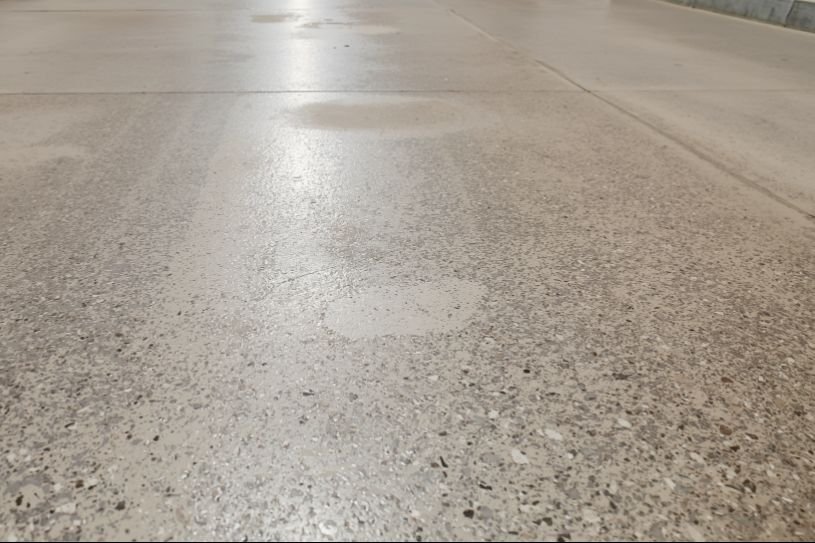
Definition & Technique:
Textured finishes are achieved by sandblasting, patterning, or adding grit to concrete surfaces to improve traction.
Aesthetic & Use:
These finishes are ideal for outdoor areas, pool decks, walkways, and other wet or high-traffic areas where safety is a concern. They also add visual interest to modern interiors that require subtle texture.
Performance & Maintenance:
Textured concrete enhances grip and safety while remaining durable. Cleaning may involve pressure washing for outdoor applications or regular sweeping indoors.
Design Tip:
Combine textured patterns with modern color schemes or overlays to integrate functionality with contemporary aesthetics.
-
Decorative Overlays & Microtoppings
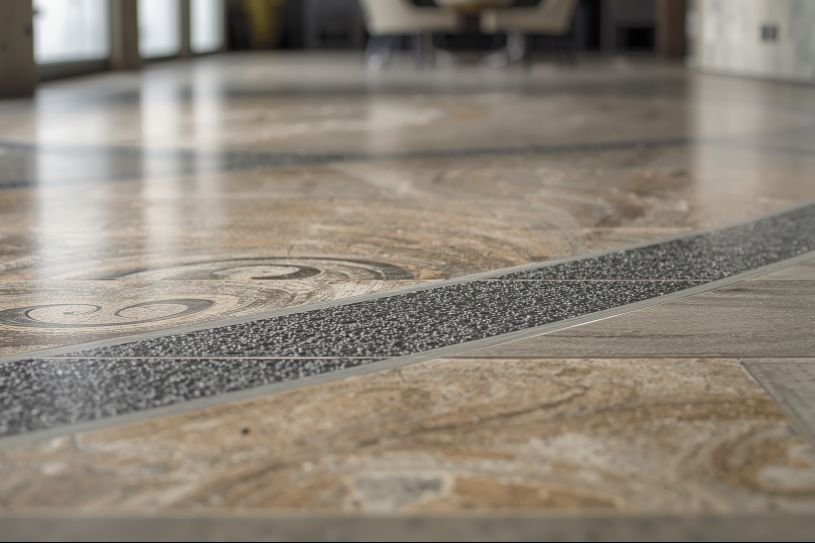
Definition & Technique:
Decorative overlays and microtoppings are thin cementitious layers applied over existing concrete floors. They can be finished with color, texture, or patterns to refresh worn surfaces.
Aesthetic & Use:
These finishes are perfect for modern renovations or creative designs, allowing homeowners and designers to mimic wood, stone, or abstract graphic patterns. They are popular for both residential and commercial spaces seeking a custom floor solution.
Performance & Maintenance:
Overlays add protection to the underlying floor and are cost-effective compared to full resurfacing. With proper sealing, they remain durable and easy to maintain.
Design Tip:
Experiment with multiple textures or embedded materials to create one-of-a-kind floors. Combining overlays with water-based stains or polishing enhances both durability and aesthetic appeal.
Trends for 2026 Modern Spaces
- Polished Concrete Dominance: Sleek, reflective floors are increasingly used in minimalist and industrial-modern interiors.
- Color & Customization: Water-based stains, epoxy finishes, and overlays allow for expressive and personalized designs.
- Durability Focus: Long-lasting, low-maintenance finishes are essential in residential and commercial high-traffic areas.
- Safety & Texture: Slip-resistant textures and patterns are trending in outdoor and wet areas for safety without compromising style.
Conclusion
Concrete floors combine strength, versatility, and aesthetic appeal, making them a top choice for modern spaces. From polished reflective surfaces to artistic overlays and textured finishes, each type offers a distinct look and performance advantage. By selecting the right concrete floor finish, homeowners and designers can create durable, functional, and visually stunning environments that are built to last and designed to impress.
Concrete flooring is no longer just a utilitarian option – it is a canvas for modern design creativity, a durable foundation for everyday life, and a statement of style for contemporary spaces.